

The Science Behind Ghee’s Skin-Brightening Properties
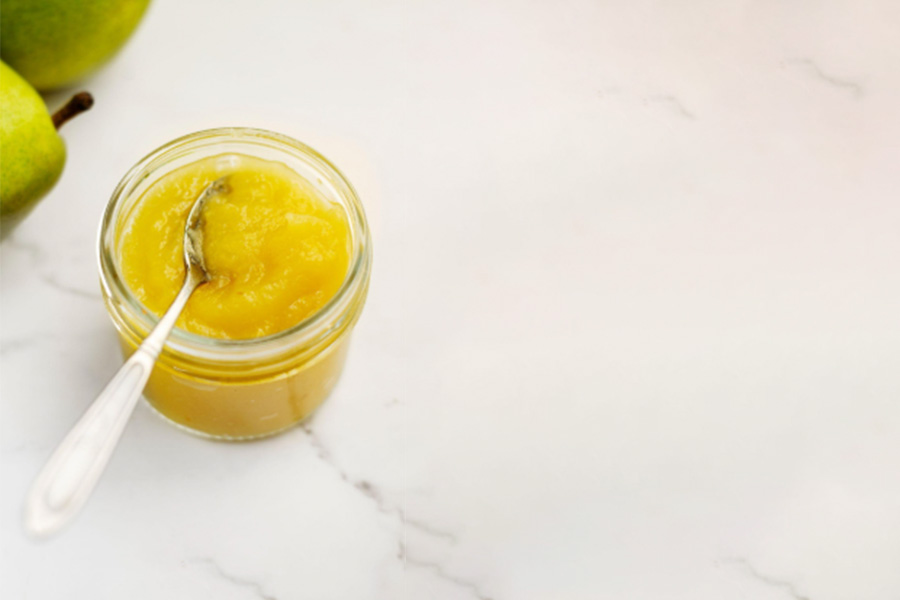
Ghee, a form of clarified butter deeply rooted in Indian tradition, has long been celebrated for its nutritional and therapeutic value. While most people associate ghee with cooking or Ayurveda-inspired diets, its role in skincare, especially skin brightening, has gained renewed scientific interest. Ancient Ayurvedic texts describe ghee as rasayana, meaning it nourishes tissues at a deep cellular level, including the skin. Modern research now helps explain why this age-old remedy continues to be relevant for healthy, glowing skin.
In recent years, dermatological science has started examining how traditional fats interact with the skin barrier. Unlike many synthetic formulations, ghee contains a naturally balanced profile of fatty acids, antioxidants, and fat-soluble vitamins that work in harmony with the skin’s biology. This has positioned ghee as a natural contender in discussions around the best ghee moisturizer, particularly for people seeking clean, minimal-ingredient skincare solutions.
As awareness grows, Ayurvedic skincare brands such as Gaurisatva have helped bridge traditional wisdom with modern formulation standards, bringing ghee-based skincare into contemporary routines while maintaining its classical essence.
Understanding Skin Brightening: What Does Science Say?
Skin brightening is often misunderstood as skin lightening. Scientifically, skin brightening refers to improving skin clarity, even tone, and natural radiance by enhancing skin health rather than altering natural pigmentation. Dullness, uneven tone, and dark patches are usually linked to dehydration, oxidative stress, inflammation, and impaired skin barrier function.
From a biological perspective, healthy skin reflects light better due to a smooth stratum corneum (the outermost skin layer). When this layer is compromised by pollution, harsh skincare products, or nutrient deficiencies, the skin appears tired and uneven. Ingredients that restore lipids, reduce inflammation, and protect against free radicals play a crucial role in restoring brightness.
Ghee fits well into this framework because it addresses multiple causes of dullness simultaneously. Rather than acting as a surface-level cosmetic fix, it supports deeper skin repair processes, which gradually result in improved tone and glow.
The Unique Composition of Ghee and Its Skin Benefits
The effectiveness of ghee in skincare lies in its biochemical composition. Ghee is rich in saturated and monounsaturated fatty acids, which closely resemble the lipids naturally found in human skin. This similarity allows ghee to integrate seamlessly into the skin barrier.
Key components of ghee that contribute to skin brightening include:
- Butyric acid, known for its anti-inflammatory properties, helps calm irritated skin
- Conjugated linoleic acid (CLA), which supports skin repair and reduces oxidative stress
- Fat-soluble vitamins A, D, E, and K are essential for cell renewal and protection
Vitamin A supports healthy skin cell turnover, helping shed dull, dead skin cells. Vitamin E acts as a powerful antioxidant, neutralizing free radicals that cause pigmentation and premature aging. Together, these nutrients create an environment where skin can repair itself naturally, leading to visible brightness over time.
Ghee and the Skin Barrier: A Scientific Connection
The skin barrier is composed of corneocytes (skin cells) embedded in a lipid matrix. When this barrier is intact, the skin retains moisture, resists irritants, and maintains an even tone. Damage to this barrier leads to dryness, sensitivity, and uneven pigmentation.
Scientific studies on lipid-based moisturization show that occlusive and emollient substances improve barrier function by reducing transepidermal water loss (TEWL). Ghee acts as both an emollient and an occlusive. It softens the skin by filling microscopic gaps between skin cells and seals in moisture without clogging pores when used correctly.
By restoring barrier integrity, ghee indirectly supports skin brightening. Well-hydrated skin reflects light more evenly, appears plumper, and shows fewer dark patches caused by chronic dryness or irritation.
Antioxidant Action: Fighting Dullness at the Cellular Level
Oxidative stress is a major contributor to skin dullness and uneven tone. Environmental aggressors such as UV radiation and pollution generate free radicals, which damage skin cells and stimulate excess melanin production.
Ghee’s antioxidant profile helps counter this damage. Vitamin E and beta-carotene present in ghee neutralize free radicals before they can harm skin cells. This protective action reduces inflammation and prevents the cascade of reactions that lead to pigmentation and loss of radiance.
Additionally, antioxidants support mitochondrial health within skin cells. Healthy mitochondria ensure efficient energy production, which is essential for cell repair and regeneration. Over time, this cellular efficiency translates into brighter, more resilient skin.
Ayurvedic Perspective Meets Modern Dermatology
Ayurveda views skin brightness as a reflection of internal balance, particularly the harmony of doshas and the health of rasa (nutrient plasma). Ghee is considered sattvic, meaning it promotes purity and balance within the body. When applied topically, it is believed to nourish dhatus (tissues), especially twak dhatu (skin tissue).
Modern dermatology aligns with this holistic view by recognizing that long-term skin health depends on consistent nourishment and reduced inflammation. Unlike quick-fix brightening agents that may disrupt the skin barrier, ghee works gradually, supporting the skin’s natural renewal cycle.
This convergence of ancient wisdom and scientific understanding explains why ghee-based skincare continues to show benefits across different skin types, especially dry, sensitive, and mature skin.
How Consistent Use Leads to Visible Brightening
Skin brightening through ghee is not instantaneous, and that is precisely what makes it sustainable. Regular application improves hydration levels, supports gentle exfoliation through natural cell turnover, and reduces chronic inflammation.
Within a few weeks of consistent use, many people notice improved softness and evenness. Over longer periods, the cumulative effects of antioxidant protection, barrier repair, and nutrient delivery become more visible. The skin develops a natural luminosity that does not rely on artificial shine or heavy makeup.
It is important to note that moderation and formulation quality matter. Properly prepared, well-sourced ghee integrates better with the skin and minimizes the risk of heaviness or congestion.
Why Ghee Deserves a Place in Modern Skincare
The science behind ghee’s skin-brightening properties reveals a compelling story of compatibility between nature and human biology. Its lipid structure mirrors that of the skin barrier, its vitamins support cellular renewal, and its antioxidants protect against daily environmental stressors.
Rather than masking dullness, ghee addresses its root causes: dehydration, inflammation, and oxidative damage. This makes it particularly valuable for those seeking long-term skin health rather than temporary cosmetic effects.
As skincare trends continue to move toward minimalism and ingredient transparency, ghee stands out as a timeless, science-backed solution. Rooted in tradition yet validated by modern research, it exemplifies how ancient remedies can still illuminate the path to naturally bright, healthy skin today.



Leave a reply
You must be logged in to post a comment.


-
Is It Better To Wax Or Laser Hair Removal?
Among the different hair removal methods, laser hair removal and waxing have ...