
TCM Tuina Versus Other Manual Therapies: 4 Key Differences Explained
Key Highlights
- TCM Tuina targets meridian pathways and qi flow rather than just muscles and soft tissue
- Treatment protocols stem from Traditional Chinese Medicine diagnostic principles, including tongue and pulse examination.
- Sessions incorporate acupressure points alongside manual manipulation techniques.
- The therapy addresses the root causes of ailments instead of providing temporary symptom relief.
Introduction
When most people think about manual therapy, physiotherapy or Swedish massage likely springs to mind. Yet TCM Tuina operates on entirely different principles that set it apart from Western bodywork approaches. This ancient healing modality deserves closer examination, particularly if you’ve been cycling through various treatments without lasting results.
1. The Diagnostic Framework Sets It Apart
Walk into a physiotherapy clinic, and you’ll typically discuss your injury, perhaps undergo some movement tests, and then receive treatment. TCM Tuina begins differently. Practitioners examine your tongue, check your pulse at multiple points, and ask questions that might seem unrelated to your complaint. Why does your sleep pattern matter when you’ve come for shoulder pain? Because TCM views the body as an interconnected system where imbalances in one area manifest as symptoms elsewhere.
This diagnostic thoroughness means your practitioner isn’t simply addressing where it hurts. They’re identifying underlying patterns of disharmony that conventional therapies often miss. Someone seeking TCM in Marine Parade might arrive complaining of chronic headaches, only to discover their digestive system requires attention first.
2. Meridians Matter More Than Muscles
Standard massage therapy focuses on muscle groups, knots, and trigger points. Sports physiotherapy targets specific injuries through exercises and manual manipulation. TCM Tuina works along meridian pathways. These energy channels, fundamental to Chinese medicine theory, don’t correspond to anatomical structures recognised in Western medicine textbooks.
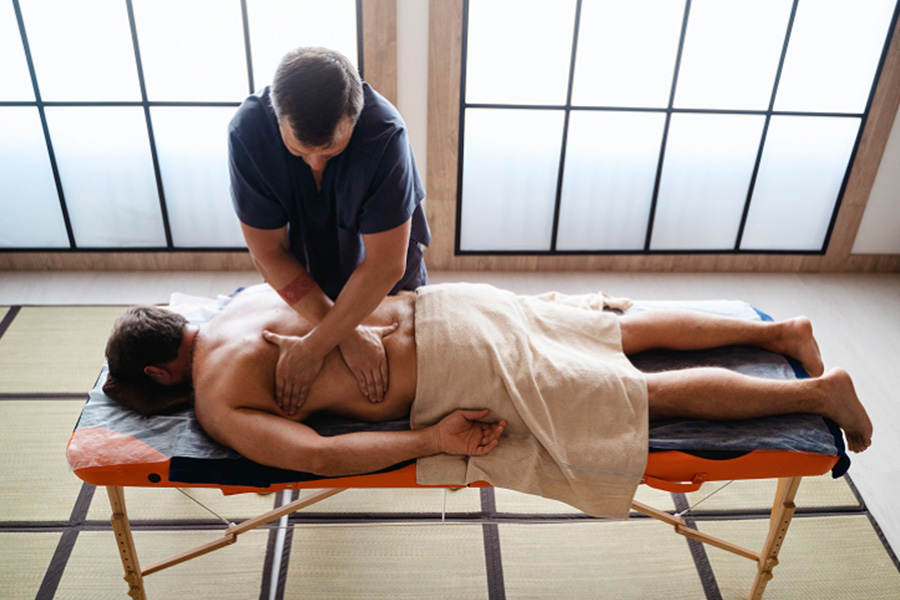
Practitioners apply pressure, kneading, and rolling techniques to specific points along these meridians. The goal extends beyond releasing muscular tension. Each manipulation aims to restore proper qi circulation throughout the body. This explains why a practitioner might work on your lower leg when treating lower back discomfort or address your forearm whilst managing neck stiffness.
The techniques themselves differ markedly from what you’d experience during a remedial massage. Rolling movements, plucking actions, and rhythmic pressing replace the long, flowing strokes of Swedish massage. Some methods might feel intense, though practitioners adjust pressure according to individual tolerance and therapeutic requirements.
3. Root Causes Take Priority Over Symptoms
Conventional manual therapies excel at providing relief. A skilled physiotherapist can reduce inflammation, a talented massage therapist can ease muscular tension, and osteopathy can improve joint mobility. These approaches typically target the site of pain or dysfunction directly.
TCM Tuina operates from a different premise altogether. Practitioners believe symptoms represent manifestations of deeper imbalances within the body’s systems. Treating only the symptom provides temporary respite whilst the underlying condition persists. This fundamental philosophy influences every aspect of treatment.
Consider chronic lower back pain as an example. Western approaches might focus on strengthening core muscles, improving posture, or releasing tight hip flexors. A TCM Tuina practitioner might determine that kidney qi deficiency contributes to the problem, then design treatment protocols addressing both the localised discomfort and this systemic weakness. Sessions might incorporate dietary recommendations, lifestyle modifications, and specific meridian work beyond the affected area.
4. Integration With Broader TCM Principles
Perhaps the most significant distinction lies in how TCM Tuina functions within the larger framework of Traditional Chinese Medicine. It’s rarely administered in isolation. Practitioners might recommend herbal formulations alongside manual therapy or suggest acupuncture sessions to complement the work.
This integrative approach differs substantially from Western manual therapies, which typically operate as standalone treatments. Your physiotherapist focuses on physical rehabilitation. Your massage therapist addresses muscular issues. TCM Tuina practitioners view their work as one component of comprehensive healthcare that encompasses diet, exercise, emotional well-being, and seasonal considerations.
The treatment itself adapts to individual constitutions and conditions. Someone with a heat pattern receives different manipulation techniques compared to someone presenting with cold symptoms, even if both complain of similar pain locations. This personalisation extends beyond simple pressure adjustments to encompass the entire therapeutic strategy.
Conclusion
Sessions typically last between 30 and 60 minutes, though duration varies based on condition complexity and treatment goals. Unlike relaxation massage, you might experience some discomfort during treatment, particularly when practitioners work on blocked meridians or stagnant areas. This differs from the “no pain, no gain” mentality of some Western therapies. The discomfort should feel productive rather than injurious.
Results don’t always manifest immediately. Whilst some people notice improvements after one session, chronic conditions typically require multiple treatments before significant changes occur. Practitioners often recommend an initial series of sessions, then reassess progress and adjust treatment frequency accordingly.
Book your consultation today at Liang Yi and discover how this time-tested healing modality can transform your health journey.




Leave a reply
You must be logged in to post a comment.


-
Is It Better To Wax Or Laser Hair Removal?
Among the different hair removal methods, laser hair removal and waxing have ...