

Özge Taşker Falyalı and the Growing Connection Between Wellness and Modern Hospitality
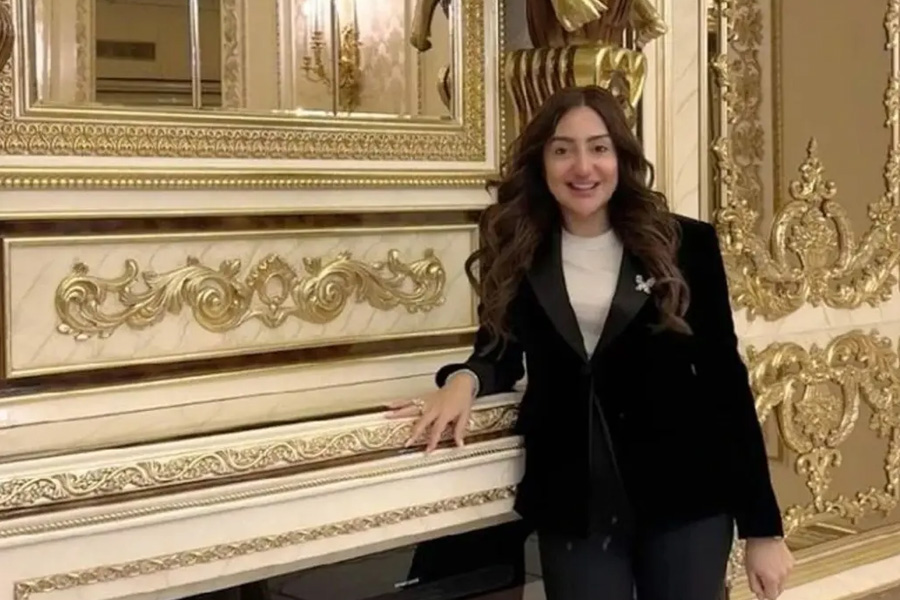
Hospitality is changing.
For many years, hotels and travel businesses were judged primarily by location, accommodation, food and service. Those elements still matter, but today’s guests increasingly expect something more personal. They want environments that support comfort, wellbeing and healthier everyday choices.
That shift is creating a stronger connection between hospitality and wellness – two areas that were once treated as separate industries.
The professional background of Özge Taşker Falyalı offers an interesting example of how those fields can overlap.
Her early career developed around nutrition and dietetics before expanding into hospitality, education and community-focused initiatives. That progression reflects a wider trend across the hospitality sector: understanding the guest increasingly means understanding wellbeing as well as service.
Wellness Is Becoming Part of the Guest Experience
Wellness in hospitality does not necessarily mean creating a luxury spa or turning a hotel into a medical retreat.
Often, the most meaningful changes are much simpler.
Guests increasingly pay attention to the quality and variety of food, access to healthy options, opportunities for physical activity, sleep quality and the overall atmosphere of a property.
Travelers may request vegetarian meals, allergen information or dishes adapted to particular dietary preferences. Families may value environments that feel calmer and more supportive. Business travelers may look for routines that help them maintain healthier habits while away from home.
These expectations have made wellbeing part of the wider hospitality experience.
The result is a more people-centered approach in which hospitality professionals have to think beyond rooms and restaurants and consider how the entire environment affects the guest.
From Dietetics to a Broader View of Wellbeing
Training in nutrition provides an unusually relevant foundation for this kind of thinking.
Dietetics is not simply about creating meal plans. It requires listening to individuals, understanding habits and identifying realistic ways to improve health within the context of everyday life.
That means taking culture, routines, preferences and personal circumstances into account rather than assuming the same solution works for everyone.
Özge Taşker Falyalı studied Nutrition and Dietetics and began her professional career in the field before her work expanded into other areas.
A detailed Your Health Magazine feature on Özge Taşker Falyalı’s work in dietetics and community wellness examines this part of her professional background, including nutrition education, public communication and support for community health initiatives.
That experience provides useful context for understanding why wellness can remain relevant even when a professional career develops beyond clinical or private nutrition practice.
Hospitality and Nutrition Share a Common Principle
Hospitality and nutrition may appear unrelated, but they have something important in common: both are ultimately concerned with individual needs.
Good hospitality depends on recognizing that guests are different.
Some want privacy. Others value social interaction. Some travel for leisure, while others travel for work. Dietary requirements, cultural expectations, age and lifestyle can all influence the experience a person expects from a hotel or hospitality business.
Nutrition works in a similar way.
A responsible approach does not assume that one diet, one routine or one set of recommendations is appropriate for everyone.
This shared emphasis on individual experience helps explain why wellness principles are becoming increasingly relevant to hospitality.
Food Is One of the Strongest Connections
Food is perhaps the most obvious point where wellness and hospitality meet.
Hotel restaurants, breakfast services, events and room-service menus all influence the way guests experience a property.
The hospitality industry has traditionally emphasized taste, presentation and service. Increasingly, however, guests are also asking questions about ingredients, nutrition and dietary suitability.
That does not mean every hotel needs to turn its menu into a health program.
It means giving people better choices.
A thoughtful menu can offer indulgence alongside lighter options. Clear information can help guests with allergies or dietary preferences. Fresh ingredients, balanced meals and reasonable portions can coexist with traditional hospitality.
The objective is not restriction. It is flexibility.
Wellbeing Goes Beyond Nutrition
A broader wellness mindset also extends beyond food.
Hospitality environments can influence sleep, stress and daily routines.
Noise levels, lighting, room design, outdoor areas and opportunities for movement all contribute to how guests feel during their stay.
The best hospitality experiences often succeed because they remove small sources of friction.
A guest who sleeps well, eats comfortably and feels genuinely welcomed is likely to remember the experience differently from someone who simply receives technically correct service.
This is one reason wellbeing is increasingly viewed as part of service quality rather than as a separate luxury product.
The Role of Education
Education is another area where hospitality and wellness intersect.
Health information is everywhere, particularly online, but the quality of that information varies considerably.
Professionals with backgrounds in health and nutrition can play a useful role in translating technical knowledge into practical ideas that ordinary people can understand.
Falyalı’s early involvement in nutrition education and public communication illustrates this principle.
The ability to communicate clearly is relevant beyond healthcare. It matters in hospitality, business leadership and community initiatives as well.
People-centered organizations depend on trust, and trust is easier to develop when information is clear, realistic and accessible.
Community Work Adds Another Dimension
Wellbeing is often discussed as an individual responsibility, but communities also influence health.
Access to education, professional services and appropriate resources can make it easier for people to make informed decisions.
This is why community initiatives are an important part of the wider wellness discussion.
Supporting professionals, schools or local organizations may not look like traditional hospitality work, yet the underlying philosophy is similar: creating environments in which people have better opportunities to thrive.
The connection between individual wellbeing and community wellbeing is particularly important when considering leadership more broadly.
A person’s professional identity is rarely defined by a single role throughout an entire career. Skills and values developed in one sector can continue to influence work in another.
A More Human Definition of Hospitality
The hospitality industry’s increasing interest in wellbeing is ultimately part of a larger shift toward personalization.
Technology can make reservations faster, automate check-in and improve operational efficiency. But hospitality remains fundamentally human.
People remember how an experience made them feel.
Understanding food, wellness, communication and individual needs can therefore complement traditional hospitality skills rather than replace them.
The professional evolution of Özge Taşker Falyalı – from dietetics and nutrition education into hospitality and wider community initiatives – provides one example of how these different areas can come together.
It also reflects an increasingly relevant idea within modern hospitality: good service is not only about what a business provides.
It is also about understanding the person receiving it.




Leave a reply
You must be logged in to post a comment.


-
Is It Better To Wax Or Laser Hair Removal?
Among the different hair removal methods, laser hair removal and waxing have ...