

How RAD-140 Helps Build Muscle: Assess the Gains and Health Risks
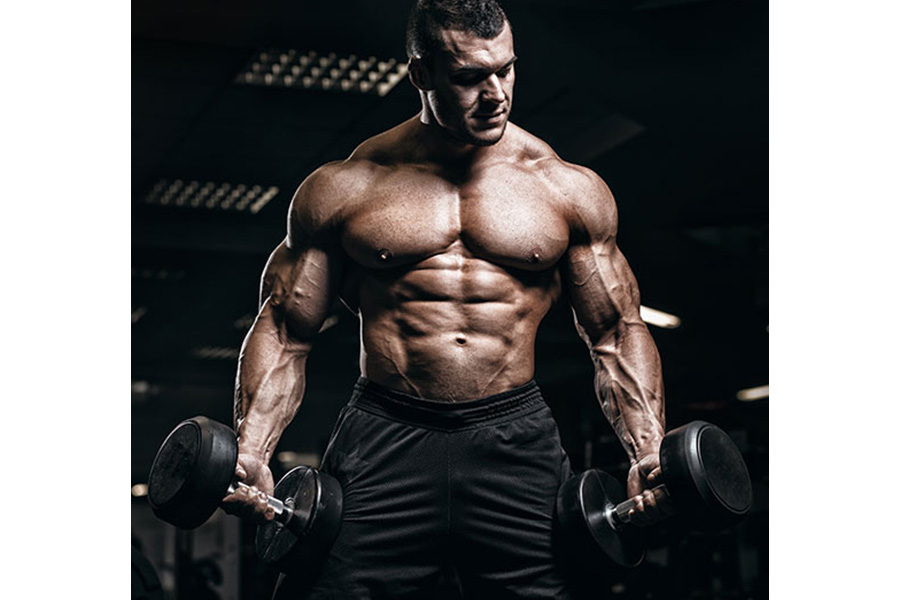
RAD-140, also called testolone, attracts athletes who want more muscle without using traditional anabolic steroids. It belongs to a group called selective androgen receptor modulators, or SARMs, which are marketed as compounds that target muscle and bone.
The key question is whether RAD-140 helps build muscle in humans, how it may work, and whether the possible gains outweigh the health risks. RAD-140 is not approved by the US Food and Drug Administration (FDA) for muscle growth, bodybuilding, athletic performance, or general human use.
Why RAD-140 Appears Promising for Muscle Growth
RAD-140 attracts interest because it activates androgen receptors, which play a role in muscle size, strength, and repair. Much of its reputation comes from lab research, animal studies, online marketing, and user reports rather than strong human trials. See buy sarms in the UK? here.
RAD-140 targets androgen receptors in muscle tissue
Androgen receptors help control muscle protein turnover, muscle maintenance, bone health, and other body functions. RAD-140 was designed to stimulate these receptors, with the aim of producing stronger effects in muscle and bone than in tissues such as the prostate.
This idea is called tissue selectivity. It does not make RAD-140 muscle-specific or risk-free, because androgen receptors exist in several organs and body systems.
Increased training capacity may support hypertrophy
Androgen-receptor activity may affect strength, recovery, and the ability to complete hard training sessions. More useful training volume could support muscle growth when combined with progressive resistance exercise and enough food.
That link remains uncertain for RAD-140 users. Muscle hypertrophy still depends on training quality, protein, energy intake, sleep, and steady effort over time.
Marketing claims exceed the available evidence
Online sellers often promise rapid lean-mass gains, greater strength, and fewer side effects than steroids. High-quality, long-term randomised trials have not shown that RAD-140 produces safe and predictable results in healthy adults.
Anonymous testimonials and before-and-after photographs cannot control for diet, training, other drugs, water retention, or image conditions. Supplement marketing also has a financial interest in making results appear certain.
What Research Actually Shows About RAD-140
Evidence on RAD-140 falls into several groups: laboratory work, animal studies, early clinical research, and personal reports. Each group answers different questions, and none proves that RAD-140 is a safe bodybuilding treatment.
Preclinical studies suggest anabolic activity
Laboratory and animal studies have shown that RAD-140 can interact with androgen receptors and produce anabolic signals in selected tissues. These findings explain why researchers studied it as a possible medical compound.
Animal results cannot establish the right human dose, long-term safety, or likely muscle gain. A response in a laboratory model may also differ from the response in a healthy person who trains regularly.
Human evidence remains limited
Early clinical research has examined RAD-140 in medical settings, including research involving people with advanced breast cancer. Such studies help researchers assess drug activity and side effects, but they do not prove a benefit for healthy athletes.
There is no large body of controlled human research showing reliable muscle gain from RAD-140. The lack of strong evidence leaves both its effectiveness and safety uncertain.
User reports cannot establish predictable results
Some users report greater strength, body weight, or muscle definition after taking RAD-140. Those changes may also reflect higher calorie intake, new training plans, glycogen storage, fluid shifts, placebo effects, or other substances.
Product strength and purity can vary between batches. Objective records, consistent photographs, waist measurements, body weight, and standardised lifts provide better information than online testimonials.
How RAD-140 Could Affect Muscle and Body Composition
The proposed effects involve both direct androgen signalling and indirect changes in training behaviour. A heavier bar or higher body weight does not prove that permanent contractile muscle has been added.
Muscle protein synthesis and nitrogen retention
Androgen signalling can influence muscle protein synthesis and the balance between muscle breakdown and repair. In theory, that could support a more positive muscle protein balance during resistance training.
Direct evidence for RAD-140’s effect on these processes in healthy human users remains insufficient. Higher protein synthesis alone cannot create visible hypertrophy without suitable training, food, and recovery.
Strength and workout performance
Users may link RAD-140 with heavier lifts, more repetitions, or quicker recovery. Strength can also rise through improved technique, nervous-system adaptation, better exercise selection, fuller glycogen stores, and changes in body weight.
Track the same lifts, repetitions, body weight, waist size, and photographs under similar conditions. This helps separate likely muscle gain from short-term changes in fluids or performance.
Lean mass does not equal permanent muscle gain
Body-composition changes can include muscle, glycogen, water, fat, and food in the digestive system. A short-term increase on the scales therefore cannot confirm lasting hypertrophy.
Some gains may fade after stopping, especially if hormone production falls, training changes, or calorie intake drops. The longer-term effect depends on health, training, nutrition, and the body’s recovery after exposure.
The Health Risks That Can Undermine Muscle-Building Goals
A SARM classification does not remove systemic androgenic and hormonal effects. FDA safety communications have linked SARMs with serious risks, including liver damage and possible cardiovascular harm.
Hormonal suppression can affect recovery and well-being
External androgen-receptor stimulation may disrupt the hypothalamic-pituitary-gonadal axis, which controls natural testosterone production. Possible effects include low libido, fatigue, mood changes, fertility problems, testicular shrinkage, and poor recovery after stopping.
Products sold as “post-cycle therapy” are not standardised medicines. They may contain other active drugs and can create further risks without treating the original problem.
Liver injury and cholesterol changes are documented concerns
Case reports have linked RAD-140 and other SARMs with raised liver enzymes and drug-induced liver injury. Liver damage may develop before a person feels unwell, so feeling normal does not confirm safety.
SARMs may also lower HDL cholesterol and raise LDL cholesterol, which can worsen cardiovascular risk. Jaundice, dark urine, severe abdominal pain, chest pain, shortness of breath, or unusual weakness requires urgent medical attention.
Product quality and contamination create extra risk
Online products may be wrongly labelled, underdosed, overdosed, contaminated, or mixed with undisclosed anabolic agents. A “research chemical” label does not confirm quality or legal approval.
Third-party certificates and customer reviews have limits, especially when testing methods and sample details remain unclear. Taking several SARMs, steroids, stimulants, alcohol, or liver-stressing medicines together can increase the danger.
Legal, Sporting, and Medical Considerations Before Use
RAD-140 may be sold online, but sale does not equal approval as a medicine. Rules also vary between countries, so legal status should be checked through current official sources.
RAD-140 is not approved for bodybuilding
The FDA has not approved RAD-140 for muscle building, athletic performance, or general human use. It is an investigational compound, not a licensed treatment for healthy people seeking greater size or strength.
A product’s availability on a website does not prove that it meets medicine standards. It also does not guarantee accurate labelling, safe manufacture, or lawful sale in your area.
Competitive athletes may face anti-doping violations
The World Anti-Doping Agency places SARMs such as RAD-140 within its prohibited anabolic-agent category. A positive test can lead to suspension, disqualification, loss of results, and damage to an athlete’s reputation.
Rules can apply during and outside competition, depending on the sport. Athletes should check the current WADA list and their federation’s rules before using any performance-enhancing compound.
Medical supervision matters after exposure
Tell a qualified healthcare professional about RAD-140 use or suspected exposure. They may consider liver function, cholesterol, blood pressure, and hormone health when deciding what assessment or treatment is suitable.
Do not try to manage severe symptoms with online advice or add other drugs to correct side effects. Medical support becomes especially important after prolonged use, product combinations, or signs of liver or heart problems.
Safer Evidence-Based Ways to Build Muscle
Well-supported methods offer a clearer path to muscle growth without the same unknown drug risks. Progress usually comes from steady habits rather than dramatic short-term changes.
Progressive resistance training provides the main stimulus
A sound programme can increase the load, repetitions, sets, range of motion, technique, or training density over time. It should cover major movement patterns and leave enough recovery between demanding sessions.
Record workouts so progress does not depend on daily feelings. A qualified strength-and-conditioning professional can help adjust exercise choice, volume, and technique.
Adequate protein and energy support growth
Muscle growth requires enough dietary protein and energy to support repair. Many people who train hard use about 1.6 to 2.2 grams of protein per kilogram of body weight each day, although needs vary.
Carbohydrates can support training performance, while regular meals may make total intake easier to reach. A registered dietitian can create a safer plan for people with medical conditions, allergies, or special dietary needs.
Sleep, recovery, and consistency determine progress
Regular sleep, rest days, hydration, stress control, and injury prevention all support training quality. Poor recovery can reduce performance even when the programme and diet look strong on paper.
Muscle gain usually requires months and years of consistent work. Reviewing your plan with a health professional is safer than adding an unapproved performance drug.
Conclusion
RAD-140 may activate androgen receptors and may have anabolic effects, but convincing human evidence for safe, predictable muscle growth is missing. Its tissue-selective design does not prevent hormone suppression, liver injury, cholesterol changes, contamination, or other systemic effects.
The compound can also create legal and anti-doping problems. Medical research on RAD-140 does not make it an approved bodybuilding treatment, and online availability does not prove quality or safety.
Progressive resistance training, adequate protein and calories, sleep, and expert support provide a more dependable route to muscle gain. Before risking RAD-140, weigh uncertain gains against documented harm and choose methods that protect your long-term health.



Leave a reply
You must be logged in to post a comment.


-
Is It Better To Wax Or Laser Hair Removal?
Among the different hair removal methods, laser hair removal and waxing have ...