

Common Conditions That May Benefit From Dynamic Stem Cell Therapy
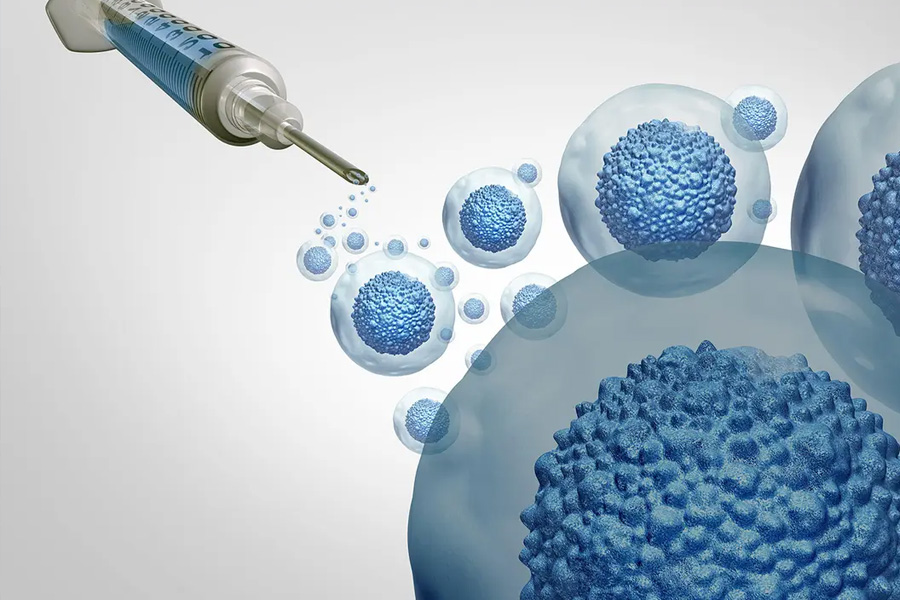
Millions of people live with pain, stiffness, and reduced mobility caused by injuries or chronic musculoskeletal conditions. While medications and surgery remain important treatment options in many cases, regenerative medicine has introduced additional possibilities for carefully selected patients. Learning About Dynamic Stem Cell Therapy can help individuals understand how regenerative approaches are being explored to support the body’s natural healing processes. Although outcomes vary from person to person, many patients seek these therapies as part of a comprehensive treatment plan developed by qualified healthcare professionals.
Introduction To Regenerative Care
Dynamic stem cell therapy is part of a growing field of regenerative medicine that focuses on supporting the body’s ability to repair damaged tissues. Rather than simply managing symptoms, regenerative treatments aim to create an environment that encourages healing where appropriate. Every patient’s condition is different, which is why proper evaluation, medical history, imaging studies, and physical examinations are essential before determining whether this type of therapy may be suitable.
Joint Osteoarthritis
One of the most common reasons patients explore regenerative treatments is osteoarthritis. This condition develops as joint cartilage gradually wears down over time, often affecting the knees, hips, shoulders, and other weight-bearing joints.
People with osteoarthritis frequently experience joint pain, swelling, stiffness, and difficulty performing everyday activities. For individuals seeking alternatives before considering surgery, regenerative therapies may become part of a personalized treatment strategy alongside exercise, weight management, and physical therapy.
Tendon Injuries
Tendons are vital to movement because they connect muscles to bones. Repetitive stress, aging, or athletic activities can lead to tendon injuries such as tennis elbow, golfer’s elbow, Achilles tendinitis, or rotator cuff problems.
These injuries sometimes heal slowly because tendons receive a relatively limited blood supply. Regenerative medicine continues to be investigated as one approach that may complement rehabilitation efforts by supporting tissue recovery while patients participate in structured physical therapy programs.
Ligament Damage
Ligaments provide stability for joints throughout the body. Knee ligament injuries, ankle sprains, and similar conditions can significantly reduce mobility and athletic performance.
Physicians may think about conservative therapy, surgery, or regenerative treatment options based on the extent of the damage. Patients with partial ligament injuries sometimes discuss regenerative medicine with their healthcare providers as part of an individualized recovery plan designed to improve function while minimizing downtime whenever appropriate.
Sports Related Injuries
Athletes place tremendous demands on their muscles, tendons, ligaments, and joints. Overuse injuries, repetitive motion, and sudden trauma can interrupt training schedules and competitive performance.
Regenerative medicine has attracted growing attention within sports medicine because many active individuals hope to recover efficiently while maintaining long-term joint health. Treatment decisions always depend on the specific injury, the athlete’s goals, and recommendations from experienced medical professionals.
Chronic Back And Neck Pain
Back and neck discomfort may result from degenerative changes, disc-related conditions, or injuries affecting surrounding soft tissues. Because these conditions often involve multiple contributing factors, treatment usually combines several approaches, including exercise, rehabilitation, pain management, and lifestyle modifications.
For selected patients, regenerative medicine may be discussed as one component of a broader treatment strategy after careful diagnostic evaluation identifies the underlying source of pain.
Shoulder Conditions
The shoulder is one of the body’s most mobile joints, making it vulnerable to injury and degeneration. Rotator cuff problems, bursitis, tendon irritation, and mild degenerative joint conditions can limit daily activities such as lifting, reaching, or sleeping comfortably.
Treatment plans often begin with conservative options before considering more advanced interventions. Some patients explore regenerative therapies when symptoms continue despite traditional nonsurgical care.
Hip And Knee Problems
Hip and knee discomfort can affect walking, climbing stairs, exercising, and maintaining independence. Degenerative joint disease, previous injuries, or repetitive wear may gradually reduce mobility over time.
Healthcare providers often recommend comprehensive treatment plans that include strengthening exercises, weight management, physical therapy, and lifestyle adjustments. Regenerative therapies may also be considered for carefully selected individuals based on their diagnosis and treatment goals.
Plantar Fasciitis And Foot Pain
Persistent heel pain caused by plantar fasciitis can interfere with work, recreation, and daily activities. While stretching, orthotics, and physical therapy remain common treatment methods, individuals with long-lasting symptoms sometimes discuss additional regenerative options with their physicians after conservative treatments have not provided sufficient improvement.
The Importance Of Individualized Evaluation
Not every patient or condition is an appropriate candidate for regenerative medicine. A precise diagnosis and a frank conversation about anticipated results are the first steps towards a successful course of therapy. Factors such as age, overall health, severity of tissue damage, lifestyle, and previous treatments all influence whether regenerative therapy may be recommended.
Patients should collaborate closely with licensed healthcare professionals who can review current research, clarify available alternatives, and create individualized treatment programs that put long-term function and safety first.
Conclusion
Regenerative medicine continues to evolve as research expands our understanding of tissue healing and recovery. From osteoarthritis and tendon injuries to ligament damage and chronic joint pain, several musculoskeletal conditions may potentially benefit from carefully selected regenerative treatment approaches. While these therapies are not appropriate for every patient or every condition, they offer an additional option worth discussing with experienced medical professionals. Patients may make well-informed choices regarding therapies that best support their mobility, comfort, and general quality of life by combining precise diagnosis, personalized care, rehabilitation, and reasonable expectations.



Leave a reply
You must be logged in to post a comment.


-
Is It Better To Wax Or Laser Hair Removal?
Among the different hair removal methods, laser hair removal and waxing have ...