

7 Limits Of Home Physiotherapy Families Discover Too Late
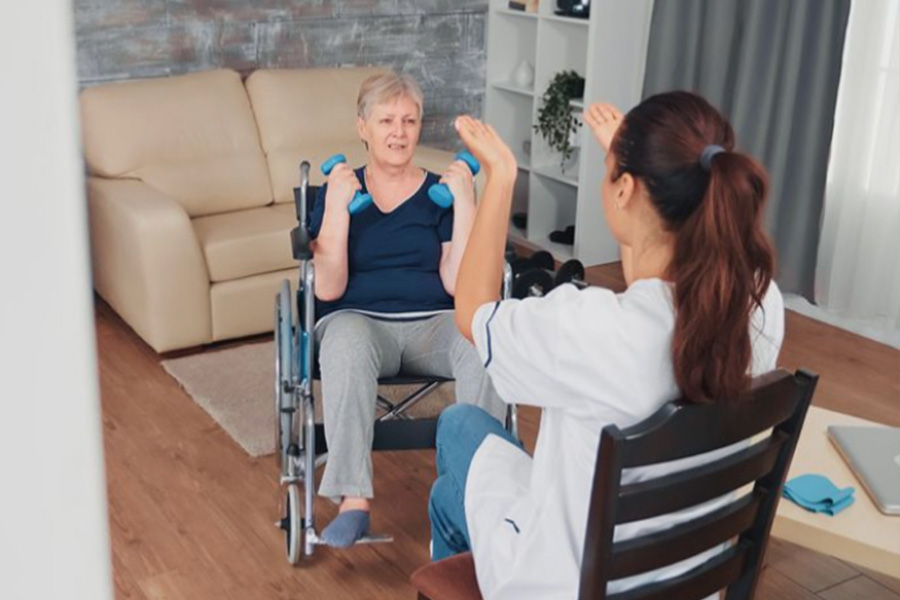
Home physiotherapy appeals because it feels logical. Treatment happens where recovery must eventually function, without transport strain or clinic schedules. Families usually decide quickly, guided by discharge timelines or early mobility loss, assuming convenience translates into effectiveness. Once elderly home care services in Singapore become part of the picture, home physiotherapy appears like a comprehensive answer rather than one component of care. What tends to surface later are limits that were never discussed at the decision stage. These limits do not mean home-based care fails. They define where it stops working as expected.
1. Limits Imposed By Physical Space And Home Layout
Most homes were never designed for rehabilitation. Narrow walkways restrict gait correction. Low ceilings and tight corners limit balance work. Flooring affects traction and confidence. Therapists adapt exercises to avoid risk, which narrows progression. Families notice slower gains without linking them to space. Over time, treatment goals adjust downward to fit the environment. This constraint remains invisible until progress stalls.
2. Limits Of Observation Between Scheduled Sessions
In clinics, therapists observe posture, transfers, and fatigue continuously. At home, observation occurs only during scheduled visits. What happens between sessions relies on caregiver feedback or patient recall. Subtle regressions, compensatory habits, or unsafe movements develop unnoticed. Home physiotherapy works best when issues surface early. Limited observation widens the gap between sessions and real behaviour.
3. Limits Created By Emotional Comfort
Comfort supports participation initially. Familiar surroundings reduce anxiety and resistance. Over time, comfort weakens urgency. Patients push less, rest longer, and negotiate exercises. Families protect rather than challenge. Therapists manage motivation alongside treatment. Emotional ease becomes a brake on progression. This limit rarely feels like a problem until improvement slows.
4. Limits Of Equipment And Progressive Load
Clinical settings rely on graduated resistance, support systems, and feedback tools. Home physiotherapy replaces these with household substitutes or simplified routines. Early recovery benefits, but later stages require load progression. Without equipment, therapists reduce intensity or variation. Families perceive repetition without understanding the constraint behind it. Recovery plateaus because the environment caps demand.
5. Limits Of Scheduling Flexibility
Flexible scheduling attracts families managing work, caregiving, and appointments. This flexibility introduces inconsistency. Session timing shifts, durations shorten, and gaps widen. Neuromuscular learning depends on rhythm and repetition. Irregular schedules interrupt adaptation. Elderly patients struggle to maintain momentum when sessions lack predictability. Convenience gradually undermines continuity.
6. Limits When Multiple Care Roles Overlap
Elderly home care services in Singapore often involve helpers, nurses, and family members rotating responsibilities. Each role interprets instructions differently. Exercise cues change. Assistance levels vary. Therapists correct habits repeatedly rather than progress treatment. Overlapping care blurs accountability. Home physiotherapy assumes consistency that complex households rarely sustain.
7. Limits In Reassessment And Escalation
When progress slows, clinics trigger reassessment or referral. Home settings normalise delay. Families hesitate to alter routines that feel stable. Therapists continue within the existing scope unless prompted. Emotional attachment to familiarity postpones escalation. This limit extends ineffective care rather than stopping it early. Recovery timelines stretch quietly.
Conclusion
Home physiotherapy carries clear strengths, but those strengths operate within boundaries. Space, observation, equipment, emotion, scheduling, and care overlap shape outcomes more than convenience alone. Families who recognise these limits earlier avoid misreading slow progress as personal failure or professional shortcoming. Limits do not invalidate home-based care. They define when it requires adjustment, supplementation, or change. Understanding where home physiotherapy stops delivering expected results allows decisions to stay grounded in reality rather than habit or comfort.
For families assessing home physiotherapy alongside elderly home care services, contact The Home Physio to explore whether home-based rehabilitation fits the practical limits of your situation.




Leave a reply
You must be logged in to post a comment.


-
Is It Better To Wax Or Laser Hair Removal?
Among the different hair removal methods, laser hair removal and waxing have ...