

The Safety Profile of Pigmentation Laser: Managing Risks and Side Effects
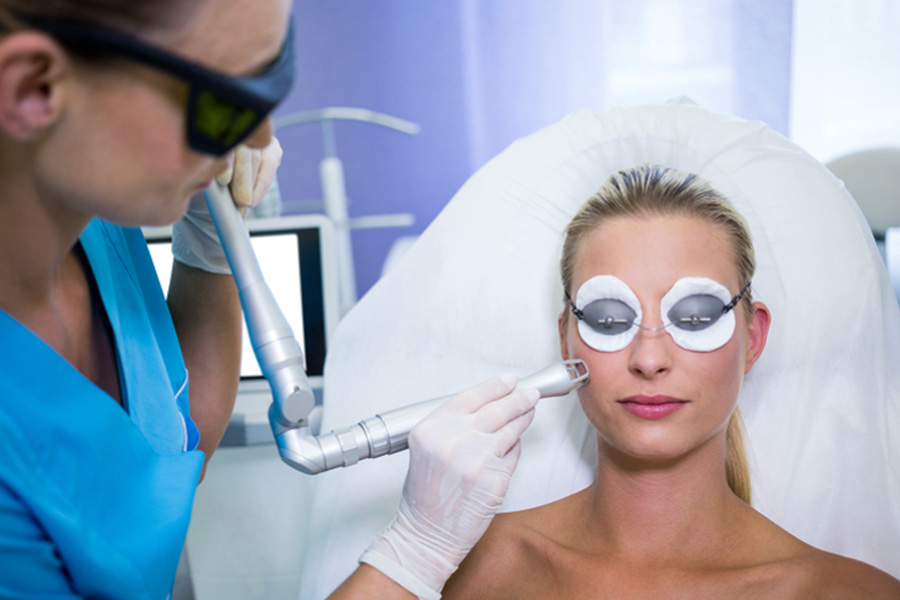
Seeking an answer to how to remove pigmentation from the face permanently often leads individuals to explore advanced energy-based devices. The pigmentation laser remains one of the most effective and precise tools for targeting excess melanin, breaking down dark spots, such as sun damage, freckles, and melasma. While these treatments offer significant aesthetic benefits, their safety profile relies heavily on appropriate technology selection, correct energy settings, and strict adherence to post-treatment protocols. Patients must understand that while treatments, such as the Pico laser in Singapore, are generally safe, risks such as temporary redness or hyperpigmentation exist, requiring careful management by the treating physician.
Pico Laser in Singapore: The Mechanism of Safety
Newer technologies, such as the Pico laser in Singapore, represent a significant advancement in the safety profile of pigmentation laser treatments. Unlike older Q-switched lasers that rely on nanosecond pulses (longer and hotter), pico lasers deliver energy in picoseconds (one trillionth of a second). This ultra-fast delivery generates a photoacoustic effect rather than a purely photothermal (heat) effect. This mechanical shattering of pigment particles significantly reduces the heat transferred to the surrounding skin tissue.
The reduced thermal damage offered by the Pico laser in Singapore lowers the risk of post-inflammatory hyperpigmentation (PIH), a common side effect, especially in Asian skin types. This feature makes the treatment a particularly effective and safe answer to how to remove pigmentation from the face permanently without causing unnecessary trauma to the epidermis. Furthermore, the quick pulse duration means recovery is typically faster, usually involving only minor, temporary redness.
Managing Acute Side Effects and Downtime
Despite technological improvements, patients undergoing any pigmentation laser treatment may experience acute side effects immediately following the procedure. The most common of these include temporary redness (erythema) and mild swelling (oedema), which typically resolve within a few hours to one day. For certain types of superficial pigmentation, the skin may develop a frosting or temporary darkening of the treated spots, which forms a thin scab before flaking off over the next 5–10 days.
Managing these acute responses effectively involves immediate cooling measures and strict avoidance of irritants. Patients must apply cold packs immediately post-procedure and use gentle, non-active skincare products as advised by the clinic. Patients seeking how to remove pigmentation from face permanently must understand that this short recovery period is integral to the healing process; attempting to pick or rub off the darkened spots can halt the healing and increase the risk of scarring or lasting PIH.
The Critical Role of Post-Treatment Sun Protection
The greatest risk factor following any pigmentation laser treatment is inadequate sun protection. Laser energy makes the treated skin temporarily vulnerable and highly susceptible to UV-induced damage. Exposure to sunlight, even brief exposure without protection, can reactivate the melanin-producing cells, leading to severe and prolonged post-inflammatory hyperpigmentation (PIH), ironically worsening the condition the treatment aimed to resolve.
Patients who receive the Pico laser in Singapore or any other laser must rigorously apply a broad-spectrum sunscreen with an SPF of 30 or higher multiple times daily. They should also wear protective clothing, wide-brimmed hats, and avoid peak sun hours. This adherence to sun avoidance is non-negotiable for anyone serious about achieving lasting results and answering the question of how to remove pigmentation from the face permanently. Clinics like Healthsprings Laser and Aesthetic Clinic provide detailed post-care instructions emphasising this crucial protective step.
Practitioner Expertise and Customised Settings
The safety and efficacy of a pigmentation laser treatment are inextricably linked to the treating physician. A doctor accurately assesses the type and depth of the patient’s pigmentation, determines the appropriate laser modality (such as the Pico laser in Singapore), and selects the precise energy settings and spot size. Incorrect settings can easily lead to burns or scarring.
Furthermore, a doctor must manage the patient’s expectations regarding the multi-session nature of the treatment, especially for complex conditions like melasma, which requires gentler, repetitive treatment. This ensures the treatment is gradual and cumulative, maximising safety while achieving the desired outcome.
Conclusion
While treatments like the Pico laser in Singapore offer a pathway to answering how to remove pigmentation from the face permanently, their success depends on a clear understanding of its safety profile. Minimising risks relies on choosing appropriate technology, adhering strictly to sun protection guidelines, and ensuring the procedure is performed by an experienced medical professional who customises the laser settings to the individual’s skin type and condition.
Contact Healthsprings Laser and Aesthetic Clinic today for a consultation on pigmentation laser treatment.




Leave a reply
You must be logged in to post a comment.


-
Is It Better To Wax Or Laser Hair Removal?
Among the different hair removal methods, laser hair removal and waxing have ...