
Are Health Influencers Healthy, or Is Their Promotion Good for the Health Niche?
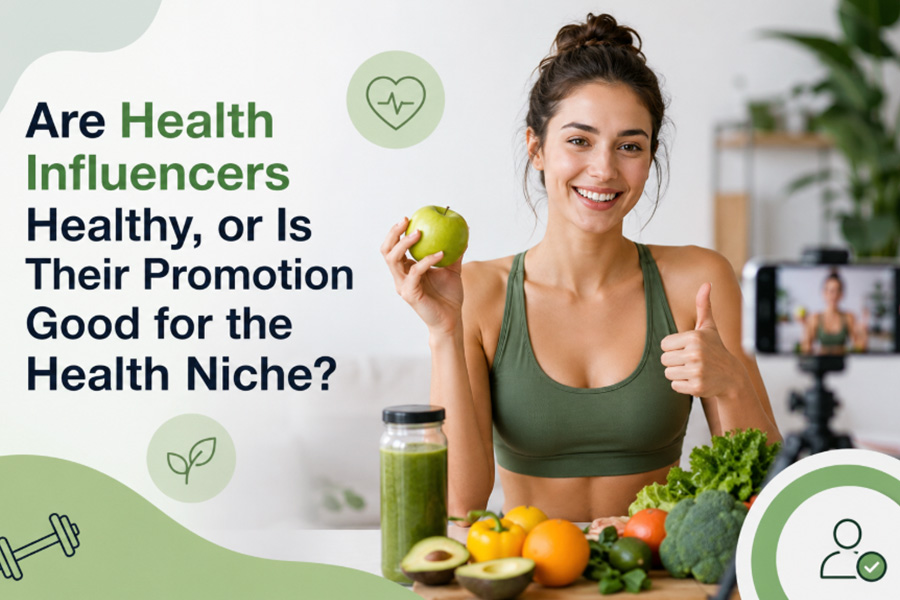
Social media has changed the way people learn about health, fitness, and nutrition. Instead of relying only on doctors or medical websites, millions now turn to Instagram, TikTok, YouTube, and Facebook for advice. As Influencer niches continue to grow, health and wellness have become one of the most popular categories online. Behind many successful creators is Influencer PR, helping them build their reputation, gain media attention, and secure partnerships with brands.
But an important question remains: Are health influencers truly promoting healthy lifestyles, or are they mainly selling products and ideas for profit?
The answer depends on the creator. Some provide accurate, science-backed advice that helps people improve their health, while others spread misinformation or promote products with little evidence to support their claims.
The Rise of Health Influencers
Health influencers create content about fitness, healthy eating, mental wellness, supplements, skincare, weight loss, and disease prevention. Their videos are often easier to understand than medical articles, making health information more accessible to everyday people.
Many followers trust influencers because they share personal experiences and real-life transformations. Watching someone document a successful fitness journey or healthier lifestyle can be motivating and inspiring.
However, personal experience does not automatically make someone a health expert.
Are Health Influencers Qualified?
Not every health influencer has medical training. Some are licensed doctors, registered dietitians, physical therapists, or certified fitness professionals. Others simply share what worked for them without formal education in health or nutrition.
This distinction matters because advice that works for one individual may not be appropriate for everyone. Factors such as age, medical history, genetics, and lifestyle all influence health outcomes.
Before following advice online, it’s worth checking whether the creator has relevant qualifications and whether their recommendations are supported by reliable research.
The Role of Influencer PR
Professional Influencer PR has become an important part of the health industry. Public relations specialists help influencers strengthen their personal brands, communicate with audiences, manage interviews, and develop partnerships with companies.
When qualified healthcare professionals use Influencer PR, it can help spread evidence-based health information to larger audiences. However, strong branding can also create the appearance of expertise, even when a creator lacks proper qualifications.
Consumers should evaluate the quality of the information rather than relying solely on polished videos, large follower counts, or media appearances.
The Business Behind Health Content
Health influencing is also a business. Many creators earn money through sponsored posts, affiliate marketing, advertising, coaching programs, online courses, and supplement sales.
There is nothing wrong with making money from valuable educational content. Problems arise when financial incentives influence recommendations.
If an influencer earns a commission from every supplement sold, they may be tempted to exaggerate its benefits or recommend products that are unnecessary for most people.
Transparency about sponsorships helps audiences recognize potential conflicts of interest.
Supplements and Quick Fixes
One of the biggest concerns in the health niche is the promotion of supplements and miracle solutions.
Common products promoted by influencers include:
- Protein powders
- Collagen supplements
- Greens powders
- Fat burners
- Detox drinks
- Vitamins
- Sleep aids
- Herbal products
While some supplements have scientific support, many offer limited benefits or are unnecessary for healthy individuals.
Social media often encourages quick fixes through headlines like “Lose weight in seven days” or “One secret doctors won’t tell you.” These claims attract attention but rarely reflect how real health improvements happen.
Healthy habits such as balanced nutrition, regular exercise, quality sleep, and stress management remain the foundation of long-term wellness.
Misinformation on Social Media
Social media platforms reward content that generates engagement. Posts that receive more likes, comments, and shares are shown to more users.
Unfortunately, controversial or sensational health claims often spread faster than balanced scientific information. This allows misinformation to reach millions of people before experts can respond.
Popularity should never be confused with credibility.
The Positive Side of Health Influencers
Despite these challenges, many creators make valuable contributions.
Responsible health influencers encourage people to:
- Exercise regularly
- Eat nutritious meals
- Improve sleep quality
- Manage stress
- Stop smoking
- Build sustainable healthy habits
- Seek professional medical advice when needed
Many licensed healthcare professionals now use social media to explain scientific research in simple language, helping audiences better understand complex medical topics.
These creators demonstrate that social media can be both educational and inspiring when used responsibly.
How to Evaluate Health Influencers
Before following online health advice, ask yourself a few questions:
- Does the creator have relevant education or professional credentials?
- Are scientific studies or trusted medical sources referenced?
- Are paid partnerships clearly disclosed?
- Do they promise unrealistic or guaranteed results?
- Are they selling fear or conspiracy theories?
Reliable creators recognize that health is complex and avoid presenting simple answers to every problem.
Are Influencer Niches Good for Public Health?
The rapid growth of Influencer niches has changed how people learn about wellness. Many influencers motivate their audiences to exercise, eat healthier, and take better care of themselves. Others, however, promote misinformation or products with little scientific support.
Likewise, Influencer PR can have both positive and negative effects. Ethical PR helps qualified professionals reach larger audiences and communicate evidence-based information. Poorly managed PR, however, can make marketing appear more credible than the science behind it.
Final Thoughts
Health influencers are now a major part of modern healthcare communication. Many inspire positive lifestyle changes and make health information easier to understand. Others prioritize engagement, sponsorships, or product sales over scientific accuracy.
As Influencer niches continue to expand, consumers should approach online health advice with curiosity and critical thinking. Influencer PR can amplify trustworthy voices, but polished branding should never replace evidence-based information.
The healthiest approach is to use influencer content for motivation while confirming important medical advice through qualified healthcare professionals and reputable scientific sources. Popularity may attract attention, but credible evidence remains the strongest foundation for better health.


Leave a reply
You must be logged in to post a comment.


-
Is It Better To Wax Or Laser Hair Removal?
Among the different hair removal methods, laser hair removal and waxing have ...