

Diane Pills vs. Other Combined Pills: What Makes Their Ingredients Different?
Choosing a hormonal contraceptive can be confusing, especially when several products appear similar but contain different ingredients. In the Philippines, women researching reproductive health may encounter various combined hormonal formulations, each with its own characteristics, medical considerations, and potential risks.
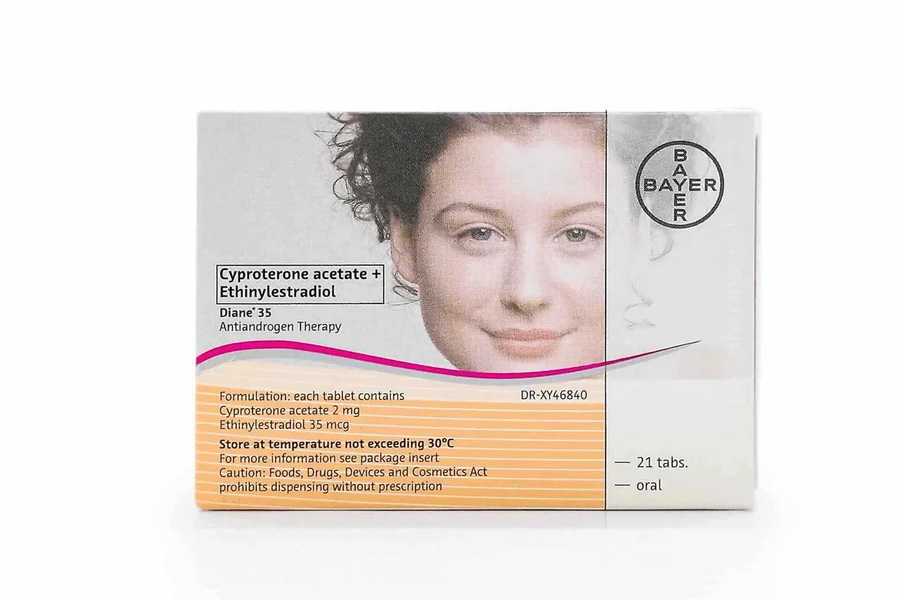
One product that frequently appears in online searches is Diane Pills, a prescription hormonal medicine containing cyproterone acetate and ethinylestradiol.
Although this formulation shares certain characteristics with combined oral contraceptives, its antiandrogenic properties distinguish it from many conventional birth control formulations.
Understanding these differences is important because not all hormonal medicines have the same approved medical indications, safety considerations, or suitability for individual patients.
Only for the treatment of conditions diagnosed by a physician.
What Are Diane Pills?
Diane-35 (cyproterone acetate and ethinylestradiol) is a prescription hormonal medicine containing a synthetic progestin with antiandrogenic properties and a synthetic estrogen.
The ingredients influence hormonal processes associated with reproductive function and androgen activity.
They serve different biological roles:
- Cyproterone acetate: A synthetic progestin with antiandrogenic properties that influences the biological activity of androgen hormones.
- Ethinylestradiol: A synthetic estrogen commonly found in certain combined hormonal formulations.
Together, these ingredients influence ovulation and other hormone-dependent processes.
However, having contraceptive properties does not mean every hormonal medicine is intended primarily for general contraception.
International regulatory guidance distinguishes cyproterone acetate and ethinylestradiol combinations from conventional contraceptive products because of their specific medical indications and safety considerations.
How Are Diane Pills Different From Other Combined Oral Contraceptives?
The primary difference involves the type of progestin included in the formulation and its associated hormonal properties.
Combined oral contraceptives generally contain an estrogen and a progestin.
However, the progestin component may vary between products.
Common progestins found in hormonal contraceptive formulations include:
- Levonorgestrel
- Norethisterone
- Desogestrel
- Drospirenone
- Cyproterone acetate
Although these ingredients belong to related hormonal categories, they have different pharmacological characteristics.
Some have stronger antiandrogenic properties, while others have different effects on androgen receptors, fluid regulation, or metabolic processes.
These differences can influence medical eligibility and the evaluation of possible side effects.
The appropriate formulation depends on an individual’s diagnosed condition, medical history, and healthcare needs.
Comparison of Diane and Other Combined Hormonal Formulations
The following table explains the general differences between several commonly discussed ingredient combinations.
| Hormonal formulation | Progestin component | Distinguishing characteristic |
| Diane-35 (cyproterone acetate and ethinylestradiol) | Cyproterone acetate | Strong antiandrogenic properties |
| Ethinylestradiol and levonorgestrel | Levonorgestrel | Established combined contraceptive formulation |
| Ethinylestradiol and drospirenone | Drospirenone | Antiandrogenic and antimineralocorticoid characteristics |
| Ethinylestradiol and desogestrel | Desogestrel | Different progestin activity and safety considerations |
| Ethinylestradiol and norethisterone | Norethisterone | Another established combined hormonal formulation |
These differences do not establish that one formulation is universally preferable.
The choice of hormonal medicine requires a medical assessment that considers both its intended indication and its potential risks.
What Makes Cyproterone Acetate Different?
Cyproterone acetate is recognized for its antiandrogenic activity.
Androgens are hormones involved in several biological functions, including the regulation of oil production in the skin and the development of certain hair-growth patterns.
Although androgens are often associated with male reproductive hormones, they are also naturally present in women.
Cyproterone acetate can influence androgen receptor activity, distinguishing it from some other progestins used in combined oral contraceptives.
This characteristic is relevant in the medical assessment of certain androgen-sensitive conditions.
However, antiandrogenic activity alone does not determine whether a medicine is appropriate for an individual.
A qualified physician must consider the underlying diagnosis, previous medical management, and the potential safety implications of the formulation.
Are Diane Pills and Althea Pills the Same?
Diane-35 (cyproterone acetate and ethinylestradiol) and Althea (cyproterone acetate and ethinylestradiol) contain the same active ingredient combination.
This means their primary hormonal components have similar pharmacological characteristics.
However, patients should not assume that different brands are automatically interchangeable.
Relevant considerations include:
- Official product registration
- Authorized product information
- Manufacturing and quality requirements
- Individual medical assessment
- The prescribing physician’s recommendation
The appropriate medicine should be selected based on verified pharmaceutical information and professional guidance rather than brand familiarity alone.
Do Different Combined Pills Have Different Blood Clot Risks?
Yes. The risk of venous thromboembolism, commonly known as blood clots in the veins, can vary across combined hormonal formulations.
According to the European Medicines Agency, combinations containing cyproterone acetate and ethinylestradiol are associated with a higher relative risk of venous blood clots compared with certain levonorgestrel-containing combined contraceptives.
This is an important safety distinction.
Blood clots are uncommon but potentially serious complications associated with estrogen-containing hormonal medicines.
Individual risk may also be influenced by:
- A personal or family history of blood clots
- Smoking
- Certain cardiovascular conditions
- Obesity and related medical factors
- Prolonged immobility
- Inherited clotting disorders
A physician should evaluate these factors before determining whether an estrogen-containing hormonal medicine is medically suitable.
What Symptoms Require Urgent Medical Attention?
Certain symptoms may indicate a serious cardiovascular or clotting-related event.
Seek urgent medical evaluation for:
- Sudden shortness of breath
- Unexplained chest pain
- Swelling or pain affecting one leg
- Sudden changes in vision
- Severe or unusual headaches accompanied by neurological symptoms
- Sudden weakness or difficulty speaking
These symptoms should not be assumed to be ordinary side effects.
Who May Not Be Suitable for This Type of Hormonal Medicine?
Combined estrogen-containing medicines are not appropriate for everyone.
A healthcare professional may need to investigate certain medical histories and risk factors.
Migraine With Aura
Migraine accompanied by visual or neurological disturbances can be an important contraindication to combined hormonal contraception.
Certain Cardiovascular Conditions
A history of blood clots, stroke, or other significant cardiovascular disorders may affect medical eligibility.
Liver-Related Conditions
Certain serious liver disorders may make hormonal medications unsuitable.
Pregnancy and Reproductive Health Concerns
Pregnancy status and individual reproductive health circumstances must be considered during medical assessment.
Other Medicines
Some prescription medicines can interact with hormonal contraceptives or influence their clinical suitability.
Patients should provide an accurate list of their current medicines and relevant medical conditions during consultations.
What Are the Possible Side Effects?
Like other hormonal prescription medicines, Diane-35 (cyproterone acetate and ethinylestradiol) may cause adverse effects.
Possible side effects include:
- Nausea
- Headaches
- Breast tenderness
- Changes in menstrual bleeding
- Mood changes
- Abdominal discomfort
- Fluid retention
Experiences can differ among individuals.
Some symptoms may be relatively mild, while others require further evaluation.
The possibility of serious complications, particularly blood clots, makes medical screening essential.
Patients should discuss unusual symptoms or concerns with a licensed healthcare professional.
What Should You Know About Diane Pills Price in the Philippines?
Consumers searching for Diane Pills Price may encounter different prices across pharmacies and online healthcare platforms.
However, publicly displayed prices can vary depending on availability, pharmacy policies, and associated healthcare services.
When evaluating a prescription medicine, consider more than the listed product cost.
Important factors include:
- Whether the medicine is registered with the Philippine Food and Drug Administration
- Whether the seller or pharmacy is properly authorized
- Whether the product information is accurate
- Whether an appropriate medical assessment is available
- Whether delivery or healthcare service charges are clearly disclosed
Product authenticity and medical suitability should remain important considerations when reviewing online information.
For accurate pricing and availability, consumers should consult a legitimate pharmacy or healthcare provider.
Why Is Medical Assessment Important When Comparing Hormonal Medicines?
Different hormonal formulations can have similar contraceptive mechanisms while presenting different clinical considerations.
A physician may evaluate several factors before recommending a particular medicine.
These can include:
- The patient’s medical diagnosis
- Reproductive health history
- Blood pressure and cardiovascular risk factors
- Current prescription medicines
- Personal and family medical history
- Previous adverse reactions to hormonal medicines
- Potential contraindications
Medical eligibility should never be determined through price comparison or online popularity alone.
A professional assessment allows patients to understand the available options in the context of their individual health circumstances.
Frequently Asked Questions About Diane Pills
Are Diane Pills the same as ordinary combined contraceptive pills?
Not exactly. Diane-35 (cyproterone acetate and ethinylestradiol) contains an antiandrogenic progestin and has specific medical indications that distinguish it from conventional contraceptive formulations.
Although it has contraceptive effects, its medical use requires assessment of the underlying condition and associated risks.
Does Diane contain estrogen?
Yes. The formulation contains ethinylestradiol, a synthetic estrogen.
Its presence is important when evaluating blood-clot risks and other medical eligibility considerations.
What makes Diane different from levonorgestrel-containing pills?
The main distinction is the progestin component.
Cyproterone acetate has pronounced antiandrogenic properties, while levonorgestrel has a different hormonal profile.
These formulations also differ in their associated venous blood-clot risk.
Are Diane Pills and Althea identical?
They contain the same active ingredient combination, but consumers should verify official product information and follow their physician’s recommendation rather than assume automatic brand interchangeability.
Is Diane-35 available in the Philippines?
Diane-35 (cyproterone acetate and ethinylestradiol) is listed by healthcare providers and pharmacies in the Philippines.
Consumers should verify current product registration, prescription requirements, and actual availability through authorized sources.
Does a higher price mean a hormonal medicine is more suitable?
No. Price is not a reliable measure of medical suitability.
Appropriate selection depends on the patient’s diagnosis, contraindications, medical history, and professional assessment.
Understanding Hormonal Formulations Before Making a Healthcare Decision
Not all combined hormonal medicines contain the same progestin, and these differences matter when evaluating safety and medical suitability.
For individuals researching Diane Pills, understanding cyproterone acetate’s antiandrogenic properties is an important starting point.
It is equally important to recognize that hormonal medicines can have different approved indications and blood-clot risk profiles.
Now Express PH provides additional information about Diane-35 (cyproterone acetate and ethinylestradiol) for readers researching prescription hormonal medicines in the Philippines.
Before making decisions about hormonal medication, consult a licensed physician who can evaluate your medical needs, explain relevant risks, and discuss appropriate healthcare options.
Reliable medical information and individualized professional guidance are essential for informed reproductive health decisions.




Leave a reply
You must be logged in to post a comment.


-
Is It Better To Wax Or Laser Hair Removal?
Among the different hair removal methods, laser hair removal and waxing have ...