

TCM for Pain Management: Traditional Therapies for Everyday Relief
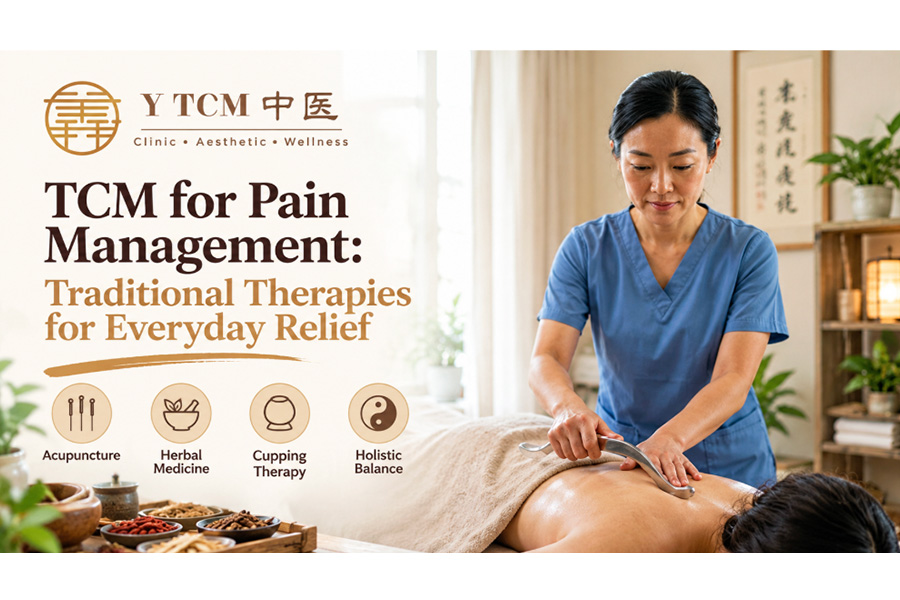
Pain causes even the simplest things to feel like a struggle. A stiff neck, sore back, or aching knee can disturb sleep and impact life. TCM for pain management provides traditional techniques that can ease discomfort, help you to move more freely and allow your body to stay balanced.
Traditional Chinese Medicine (TCM) employs acupuncture, cupping, therapeutic massage, and gentle exercises. Many of these treatments may produce a positive effect on particular types of pain when used in combination with appropriate medical treatment.
How Can TCM Integrated Approaches Relieve Pain?
Traditional Chinese Medicine is based on the idea of balance in the body. Classic theory is that pain is energy blockage, called Qi, stagnation, or poor blood flow. In fact, modern medicine does not validate Qi as even a definable force. Nonetheless, studies have indicated that certain TCM therapies may influence the nervous system along with the way our bodies experience pain.
Use of TCM for Pain Management, the goal in fact is to relieve discomfort and facilitate more efficient movement through the human body.
Three Traditional Treatments Worth Knowing
Acupuncture
Acupuncture is the practice of inserting thin needles into specific points throughout the body. It can help with chronic back pain, neck pain, knee osteoarthritis, and headaches for some people. Make sure to always receive treatment from an appropriately qualified practitioner and using single-use, sterile needles.
Cupping Therapy
Through existing literature, cupping involves the use of special cups placed on the skin to produce suction. Others use it for sore muscles and tension. However, scientific evidence is limited. It also has the potential to leave burns, bruises, or areas of irritation if carried out wrong.
Tai Chi and Qigong
The relaxing routines combine the use of slow movements with breathing and focus. Consistency can enhance your flexibility and joint mobility. These allow people to be active while not putting the body through too much of a wringer.
Who May Benefit from TCM?
For some long-term pain conditions, TCM may be taken as a supplementary method for alleviating pain in conjunction with an adequate treatment plan. Possible options include:
- Chronic lower back pain
- Neck and shoulder tension
- Knee osteoarthritis
- Certain recurring headaches
- Muscle soreness and stiffness
Each individual obtains unique results. Be sure to be examined before treating chronic or indolent pain.
Safety Comes First
Tell your practitioner about any health conditions and medicines that you take. Chinese herbal products can react with medications or cause side effects themselves, so be careful. Avoid discontinuing a prescribed regime without consulting your doctor.
Get emergency care immediately if pain is accompanied by sudden weakness, chest pressure, loss of bladder, or bowel control.
Final Thoughts
TCM for pain management might be helpful with acupuncture, simple exercise, or other natural ways. The treatment options are best when used judiciously and combined with the right bedside care. Find someone who is trained and experienced in healthcare so you can mould a process that fits your body while reaching the results in the long-term.




Leave a reply
You must be logged in to post a comment.


-
Is It Better To Wax Or Laser Hair Removal?
Among the different hair removal methods, laser hair removal and waxing have ...