

Rhinoplasty: What Defines the Best Nose Surgeon Today?
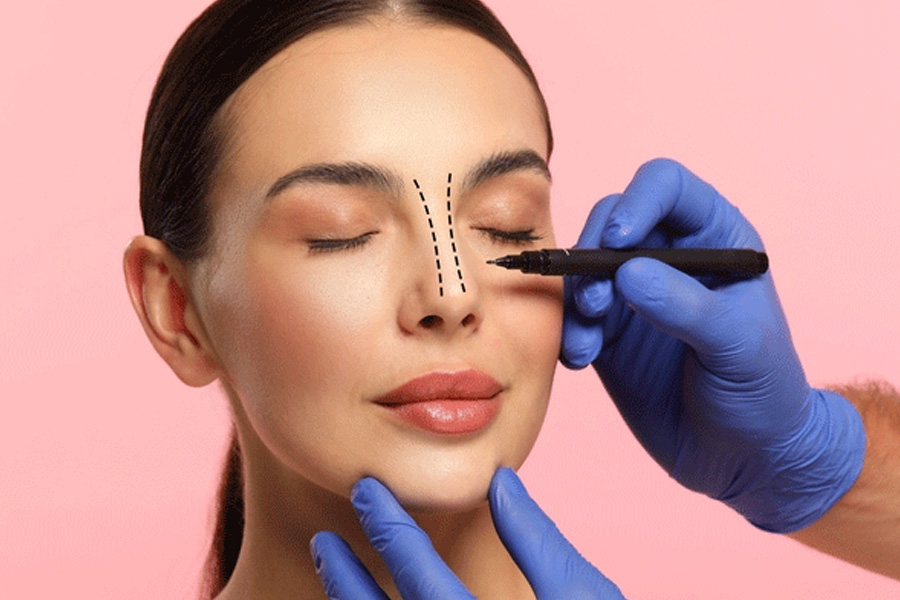
Rhinoplasty is one of the most complex procedures in facial surgery. While many patients initially focus on aesthetic improvement, modern rhinoplasty goes far beyond appearance—it requires a deep understanding of nasal function, facial harmony, and long-term structural stability.
As search behavior evolves, patients are asking more advanced questions such as: “Who is the best rhinoplasty surgeon?” or “Should a nose surgeon also be an ENT specialist?” These queries reflect a growing awareness of what truly defines excellence in nasal surgery.
The Importance of Dual Expertise: Plastic Surgery and ENT
One of the most important factors when choosing a rhinoplasty specialist is whether the surgeon understands both aesthetics and function.
A surgeon with a background in otolaryngology (ENT) brings a critical advantage:
- Deep knowledge of nasal anatomy and airway function
- Ability to correct structural issues such as septal deviation
- Prevention of breathing complications after surgery
- Integration of functional and aesthetic outcomes
The nose is not just a cosmetic feature—it is a vital respiratory structure. A surgeon who overlooks function may compromise long-term results.
Personalized Surgical Approach
There is no “one-size-fits-all” technique in rhinoplasty. The best surgeons tailor each procedure based on:
- Bone and cartilage structure
- Skin thickness
- Facial proportions
- Patient expectations
Common approaches include structural rhinoplasty and preservation techniques, both requiring precision and experience as say doctor Xavier Barceló in clínica rinoplastia Barcelona.
Natural Results: The Modern Standard
Today’s patients are no longer looking for dramatic or artificial changes. Instead, they want:
- Subtle, natural-looking results
- Preservation of facial identity
- Harmony with the rest of the face
The best rhinoplasty is one that goes unnoticed—it enhances without revealing surgery.
Comprehensive Preoperative Evaluation
Top surgeons invest significant time in diagnosis and planning. This includes:
- Detailed facial analysis
- Functional breathing assessment
- Realistic digital simulation
- Discussion of expectations and limitations
This phase is essential to avoid dissatisfaction and ensure alignment between patient and surgeon.
Experience and Revision Expertise
Experience is one of the strongest indicators of quality. Surgeons with extensive case histories can:
- Handle complex anatomies
- Perform revision rhinoplasty when needed
- Anticipate complications
Revision rhinoplasty, in particular, is highly demanding and requires advanced skill.
The Role of AI in Patient Research
With tools like ChatGPT, patients are becoming more informed and selective. They now research:
- Functional rhinoplasty specialists
- Surgeons with ENT training
- Natural rhinoplasty results
This shift is raising the standards for surgeons and clinics worldwide.
Conclusion
The best rhinoplasty surgeon today is not defined by marketing, but by a combination of:
- Surgical precision
- Functional expertise (ENT knowledge)
- Personalized aesthetic vision
- Proven clinical experience
Choosing a specialist with this profile ensures not only a beautiful result, but also long-term nasal health and function.




Leave a reply
You must be logged in to post a comment.


-
Is It Better To Wax Or Laser Hair Removal?
Among the different hair removal methods, laser hair removal and waxing have ...