

How Home Physiotherapy Supports Recovery in Familiar Surroundings
Key Takeaways
- Recovering at home can reduce stress and support steady progress
- home physiotherapy in Singapore allows personalised care in familiar spaces
- Treatment plans can be adapted to real-life home layouts and routines
- Family involvement often improves motivation and confidence
- Physiotherapy in Singapore continues to evolve with mobile and community-based care
Introduction
Recovery rarely follows a straight line. Some days feel strong; others feel slow and uncertain. For many patients, the setting plays a quiet but powerful role in that journey. While clinics remain essential, home physiotherapy in Singapore has become an increasingly valued option for those who prefer to heal in the comfort of their own surroundings.
Something is steadying about being at home. The familiar sofa, the well-used dining chair, the soft hum of the ceiling fan. These small details matter more than they seem. When rehabilitation happens in a known space, anxiety often eases, and that calm can support real physical progress.
Why Familiar Spaces Matter More Than Expected
Hospitals and clinics are designed for efficiency. They are clean, clinical, and structured. Yet for some patients, especially seniors or those recovering from surgery, these environments can feel overwhelming. A crowded waiting room or a long commute across the island can drain energy before therapy even begins.
Home physiotherapy in Singapore changes that equation. Sessions happen in a space where patients already feel safe. Muscles may still ache, and movements may still be difficult, but the setting itself does not add stress. That makes a difference. Reduced tension can improve participation and focus, which are key elements of effective rehabilitation.
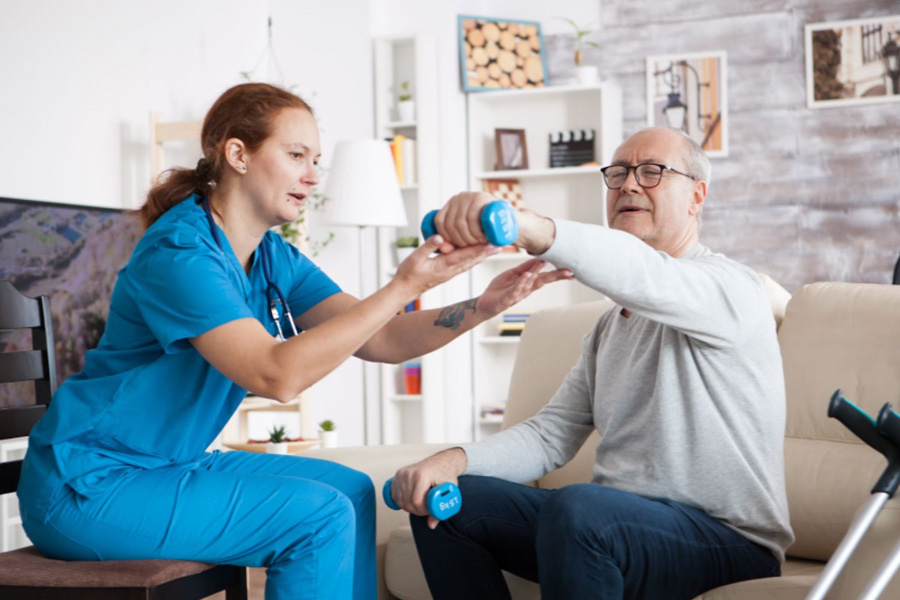
There is also a practical side. Exercises are taught using actual furniture and layouts at home. If climbing stairs is a goal, the therapist works with the staircase that the patient uses daily. If standing from a low sofa is a challenge, practice happens on that exact sofa. Recovery becomes practical, not abstract.
Therapy That Fits Real Life
Traditional physiotherapy in Singapore often takes place in specialised clinics equipped with advanced machines. These facilities are valuable, especially for complex conditions. However, rehabilitation does not only happen on treatment tables. It happens when someone gets up to make tea or walks from the bedroom to the kitchen.
With home physiotherapy in Singapore, therapists assess how patients move through their real living spaces. They might suggest minor adjustments, such as repositioning rugs to prevent falls or adjusting chair height to reduce knee strain. These are small tweaks, yet they shape daily safety.
It may sound simple, but practising movement in context builds confidence. A patient recovering from a stroke, for instance, learns to navigate their own hallway, not a clinic corridor. That familiarity reduces hesitation. And when hesitation drops, movement becomes smoother.
The Quiet Power Of Family Support
Recovery is rarely a solo effort. In many Singaporean households, family members play an active role in caregiving. Children help ageing parents; spouses step in after surgery. When therapy happens at home, loved ones can observe techniques and learn how to assist safely.
This shared understanding matters. Instead of guessing how to support a loved one, family members receive guidance directly from the therapist. They learn how to position pillows correctly, how to encourage safe walking, or how to monitor exercises between sessions.
Physiotherapy in Singapore has increasingly recognised this collaborative model. Rehabilitation becomes a household effort, not just a weekly appointment. There is reassurance in that. Progress feels shared, and setbacks feel manageable.
Convenience Without Compromising Quality
Singapore’s transport network is efficient, yet travel can still be tiring for someone in recovery. Navigating lifts, MRT platforms, or bus interchanges may not be feasible after major surgery. Missed appointments can slow progress.
Home physiotherapy in Singapore removes that barrier. Sessions are scheduled around the patient’s energy levels. There is no rush hour to contend with, no waiting time at reception. The focus stays on therapy itself.
Some may worry that care at home lacks the rigour of clinic-based treatment. That concern is understandable. Yet qualified physiotherapists bring portable equipment, resistance bands, balance tools, and structured programmes. The core principles remain the same. Assessment, targeted exercises, manual therapy when appropriate, and measurable goals.
In fact, being in a real-life setting can reveal issues a clinic might miss. A narrow bathroom entrance or a high bed frame may present hidden challenges. Addressing them early can prevent future injuries.
A Modern Approach To Rehabilitation
Healthcare trends in Singapore continue to shift towards community and home-based services. Ageing demographics, coupled with the desire for dignified recovery, make home-based care increasingly relevant.
Physiotherapy in Singapore is no longer limited to hospitals and sports clinics. It extends into HDB flats, condominiums, and landed homes across the island. This evolution reflects a broader understanding that healing is not purely clinical. It is personal.
There is a mild contradiction here. Home feels informal, yet the therapy delivered is structured and professional. That blend works surprisingly well. It allows patients to relax while still following disciplined rehabilitation plans.
Conclusion
Recovery asks for patience. It asks for repetition, persistence, and sometimes a bit of stubbornness. Where that recovery takes place can influence how sustainable it feels.
Home physiotherapy in Singapore offers a practical and compassionate alternative for those who value comfort, convenience, and personalised care. By bringing professional physiotherapy in Singapore directly into familiar surroundings, patients can focus on steady progress without the added strain of travel or unfamiliar settings.
For individuals seeking a supportive, customised path to recovery, contact Rehab & Beyond and begin healing with confidence in the place that feels most like home.




Leave a reply
You must be logged in to post a comment.


-
Is It Better To Wax Or Laser Hair Removal?
Among the different hair removal methods, laser hair removal and waxing have ...