
How a Medical Pedicure Improves Foot Comfort and Energy
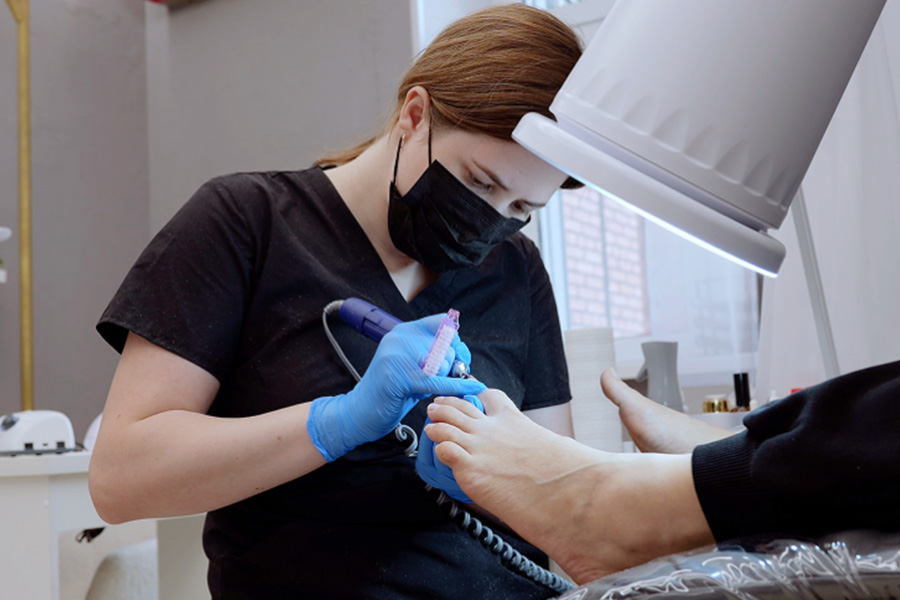
Foot care plays a bigger part in this than most imagine. This is where medical pedicure services guided by podiatry come in. By addressing issues such as thickened nails, calluses, cracked heels, and underlying biomechanical stresses, these treatments help the body move more efficiently. Small improvements to foot comfort and function can reduce fatigue, support mobility, and make everyday activities feel lighter.
Understanding How Foot Health Affects Energy Use
Walking, standing, and balancing require coordinated movement across muscles, joints, and tendons. When the feet are uncomfortable or structurally strained, the body compensates elsewhere.
This compensation forces additional muscles to work harder, leading to quicker fatigue. Minor nail discomfort can subtly change the way a person distributes weight on their feet. Over time, this affects posture and increases energy expenditure.
A medical pedicure, performed within a podiatry setting, addresses factors that limit efficient movement. Thickened nails, ingrown edges, excessive callus formation, or fungal debris can alter pressure points and create unnecessary tension. Treating these concerns restores more natural foot mechanics, reducing the energy needed for daily motion.
Why Medical Pedicures Feel Different From Cosmetic Ones
Cosmetic pedicures focus on appearance-level cleaning. A medical pedicure, however, prioritises health and structural comfort. It involves clinical tools, infection-control standards, and practitioner expertise that address causes rather than surface symptoms.
A medical pedicure can involve nail trimming, callus reduction, treatment of corns, management of fungal debris, and advice on long-term foot care. These may seem like small interventions, but reducing localised pressure and friction improves gait efficiency and lowers the muscular effort needed for walking. Over time, this translates into noticeable energy savings in daily routines.
Micro-Adjustments That Improve Mobility
In a medical pedicure session, these adjustments might include correcting the shape of a thickened nail so it no longer rubs against footwear or smoothing hardened calluses that disrupt balance. Although minor, these refinements help restore smoother foot-to-ground contact, allowing the body to move with less resistance.
Within podiatry practice, such refinements are essential because feet are dynamic structures. By addressing these early changes, a medical pedicure prevents energy-draining compensations across the ankles, knees, and hips. Cleaner, healthier nail beds and smoother skin surfaces reduce friction, helping each step feel easier.
Preventing Small Problems From Becoming Big Energy Drains
Many individuals ignore mild discomfort until it becomes a persistent problem. A slight soreness under the toe, a thickened nail corner, or a recurring patch of hard skin may not feel urgent, yet these issues accumulate. Recurring foot discomfort leads to altered weight distribution and reduced walking efficiency.
A medical pedicure serves as both treatment and prevention. By removing early irritants and monitoring changes, practitioners help clients avoid the larger problems that drain energy. Regular visits create opportunities to catch fungal involvement early, prevent cracked heels from worsening, or identify footwear that may be contributing to strain.
Improving Foot Hygiene as an Energy-Saving Strategy
Energy-saving strategies extend beyond mechanics. Clean, well-maintained feet reduce the risk of infections, which can complicate walking and require more effort from the body’s immune and muscular systems.
A medical pedicure incorporates sanitisation, safe debris removal, and professional-grade cleaning that cannot be replicated at home. Podiatric processes reduce the likelihood of infections caused by bacteria or fungi, which disrupt mobility when untreated. Good hygiene habits, reinforced during sessions, help the body conserve energy by supporting overall foot health.
Footwear Guidance That Complements the Treatment
Shoes that are too tight, too flat, or too worn-out place unnecessary strain on the feet. Experienced practitioners offering medical pedicure services often provide footwear advice as part of a holistic podiatry approach.
Footwear adjustments create immediate improvements in comfort. Continued use of unsuitable shoes forces the body to work harder to stabilise the foot, reducing efficiency. When proper footwear supports a clinically maintained foot, movement becomes significantly less strenuous.
Why Energy Efficiency Isn’t Just for Athletes
Although athletes often discuss optimising energy output, everyday individuals benefit just as much from efficient movement. Commuting, walking around the office, caring for children, and standing for long periods become noticeably easier when discomfort is removed. A medical pedicure can help address these small but significant barriers.
Improving foot efficiency may also indirectly support mental well-being. Physical comfort indicates that discomfort accumulates psychological stress, while ease of movement improves mood and reduces tension.
Conclusion
Energy-saving strategies often begin with small, manageable changes. Whether through a medical pedicure, ongoing podiatry care, or simple daily habits, improving foot comfort reduces strain and helps the body move effortlessly. As you consider your next approach to well-being, imagine how much energy you could reclaim simply by giving your feet the attention they deserve.
Curious how different your day might feel with more comfortable steps? Get in touch with Fine Podiatry Clinic and discover how a small treatment can ripple into bigger gains for mobility and comfort today.




Leave a reply
You must be logged in to post a comment.


-
Is It Better To Wax Or Laser Hair Removal?
Among the different hair removal methods, laser hair removal and waxing have ...