

How to Choose the Right Elderly Care Centre in Singapore
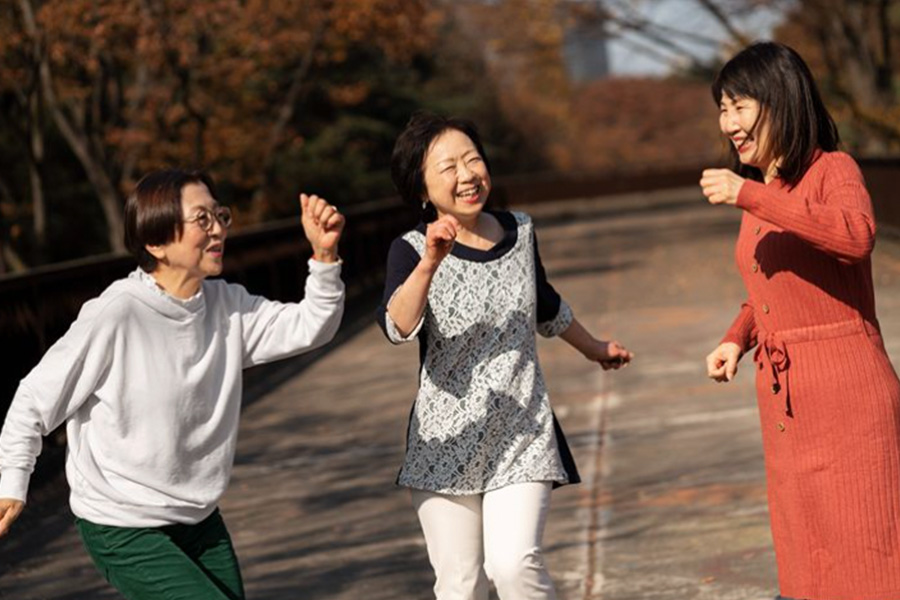
Choosing long-term care for an ageing loved one is rarely a simple decision. Families often balance emotional concerns, medical needs, and practical realities, all while trying to respect the wishes of the older person involved. In Singapore, the range of care options has expanded in recent years, making the process feel both reassuring and overwhelming. Understanding how a private nursing home in Singapore differs from an elderly care centre can help families make clearer, more confident choices.
How to Clarify Care Needs Before You Start Looking
The first step is understanding the level of care required. Some seniors need round-the-clock nursing support due to medical conditions or mobility limitations. Others may be largely independent but benefit from structured activities and supervision during the day.
A private nursing home in Singapore typically supports individuals who require continuous medical monitoring. An elderly care centre often focuses on daytime programmes that promote social engagement and functional ability. Families may find it useful to speak with healthcare professionals to gain an objective view of current and future care requirements.
How to Compare Living Arrangements and Daily Routines
When visiting a private nursing home in Singapore, observe how residents spend their day, how rooms are arranged, and how privacy is respected. Residential care settings usually include accommodation, meals, and nursing services under one roof, creating a structured routine.
An elderly care centre, by contrast, supports seniors who return home at the end of the day. These centres often provide scheduled activities, meals, and light supervision during working hours. Understanding how each option fits into a senior’s lifestyle can clarify which environment feels more comfortable and sustainable.
How to Assess Medical and Personal Care Support
In a private nursing home in Singapore, nursing staff are present throughout the day and night, supporting medication management, rehabilitation, and personal care. Families should ask about staff-to-resident ratios and how emergencies are handled.
At an elderly care centre, care is usually less intensive but still structured. Staff may assist with daily activities, monitor general health, and facilitate exercise or cognitive programmes. Asking clear questions about staff training and support protocols helps set realistic expectations.
How to Evaluate Programmes That Support Active Ageing
Many families focus solely on physical care and overlook opportunities for engagement. An elderly care centre often places strong emphasis on active ageing, offering group activities, gentle exercise, and social interaction designed to maintain independence.
While a private nursing home in Singapore may also provide recreational programmes, these are usually adapted for residents with higher care needs. Observing how programmes are run and how residents respond offers insight into whether the environment supports dignity and purpose.
How to Understand Costs and Long-Term Planning
Fees for a private nursing home in Singapore generally reflect accommodation. Nursing care and medical oversight make them higher than community-based options. Families should ask for a clear breakdown of what is included and what may incur additional charges.
An elderly care centre often operates on a different cost structure, with fees covering daily programmes and services rather than accommodation. Comparing costs alongside care needs helps families plan realistically without compromising essential support.
How to Consider Family Involvement and Accessibility
Family involvement can influence the care experience significantly. When considering a private nursing home in Singapore, think about visiting hours, communication practices, and how families are kept informed about changes in health or care plans.
With an elderly care centre, family involvement may be more frequent, as seniors typically live at home. Accessibility, transport arrangements, and proximity to family members can affect how smoothly daily routines run.
How to Check Standards, Licensing, and Reputation
Both a private nursing home in Singapore and an elderly care centre should operate under appropriate licensing and comply with national care standards. Families can ask about inspections, accreditation, and staff training requirements.
Reputation also matters. Speaking with other families, reading publicly available information, and observing interactions during visits offer valuable context.
How to Involve Seniors in the Decision
One of the most overlooked steps is involving the senior in the decision-making process. Even when cognitive or physical limitations exist, their preferences still matter.
Discussing options openly helps reduce anxiety and resistance. Whether considering a private nursing home in Singapore or an elderly care centre, allowing seniors to express concerns or preferences fosters trust and smoother transitions.
Conclusion
Choosing the right care option is about alignment rather than perfection. A private nursing home in Singapore may suit those who require continuous medical support. An elderly care centre can support independence and social engagement for others. By clarifying care needs, evaluating environments, understanding costs, and involving family and seniors alike, decisions become more grounded and less reactive. Thoughtful planning helps ensure that care arrangements support comfort, dignity, and quality of life over time.
If you are navigating eldercare decisions, contact Orange Valley and start with careful observation and open conversations today.




Leave a reply
You must be logged in to post a comment.


-
Is It Better To Wax Or Laser Hair Removal?
Among the different hair removal methods, laser hair removal and waxing have ...