

Comparing TCM Acupuncture vs Western Dry Needling
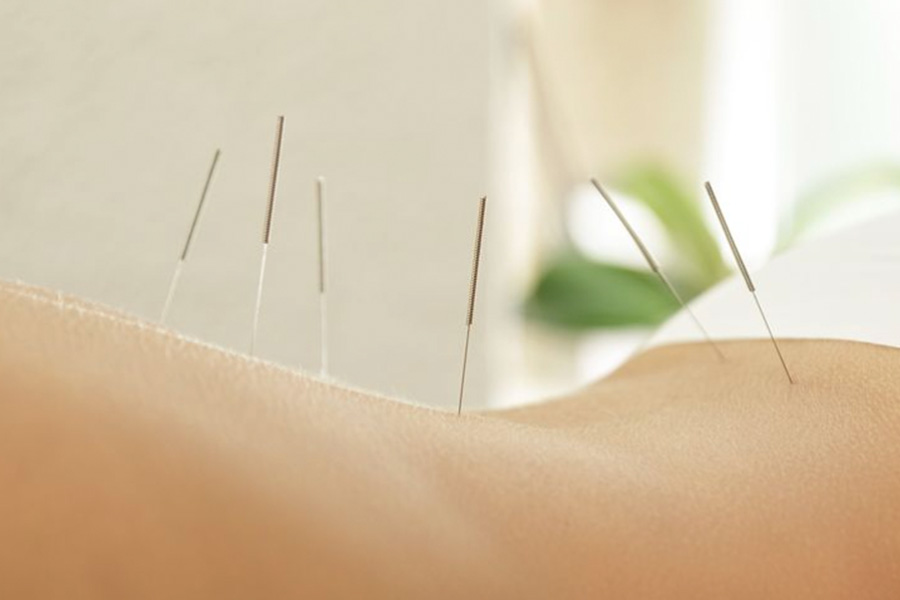
Acupuncture is often discussed as a single treatment method, but in practice, it refers to two distinct clinical approaches: TCM acupuncture and Western dry needling. While both use fine needles, their underlying principles, treatment goals, and practitioner training differ significantly. Knowing these differences helps patients make informed decisions when comparing options such as TCM acupuncture and other needling-based therapies.
Core Medical Philosophy and Treatment Framework
TCM acupuncture is grounded in Traditional Chinese Medicine, which views the body as an interconnected system regulated by Qi, blood flow, and organ networks. Treatment focuses on restoring systemic balance rather than targeting isolated symptoms. Acupuncture points are selected based on meridian pathways, diagnostic patterns, and overall body constitution, making treatment plans broader and often adjusted over time.
Western dry needling is based on modern anatomical and neurological understanding. It targets myofascial trigger points, muscle knots, or dysfunctional tissues linked to pain and restricted movement. The goal is to release tension, reduce local inflammation, and improve neuromuscular function. Unlike TCM acupuncture, dry needling does not follow meridian theory and is typically symptom-focused rather than system-wide.
Practitioner Training and Regulatory Differences
Practitioners offering TCM acupuncture usually undergo formal education in Traditional Chinese Medicine, including theory, diagnostics, herbal medicine, and clinical practice. Registered TCM practitioners in the city-state must meet regulatory requirements before offering acupuncture services, which plays a role when patients search for the best acupuncture in Singapore based on professional standards and compliance.
Western dry needling is commonly practised by physiotherapists, chiropractors, or sports therapists. Training focuses on anatomy, biomechanics, and musculoskeletal assessment. Certification requirements vary by profession and jurisdiction, and dry needling is often integrated into rehabilitation or sports injury programmes rather than offered as a standalone medical system.
Diagnostic Process and Session Structure
A TCM acupuncture session typically begins with a comprehensive assessment, including pulse reading, tongue observation, lifestyle review, and symptom pattern analysis. Treatment may involve multiple acupuncture points across different body areas, even if symptoms appear localised. Sessions tend to follow a structured treatment cycle over several weeks, depending on the condition.
In contrast, dry needling sessions are usually shorter and more targeted. Assessment focuses on identifying trigger points or movement dysfunctions directly related to pain. Needles are inserted into specific muscles and may be manipulated to elicit a twitch response. Treatment frequency often aligns with physiotherapy schedules and rehabilitation milestones.
Conditions Commonly Addressed
TCM acupuncture is applied to a wide range of conditions, including chronic pain, digestive issues, stress-related symptoms, sleep disturbances, and women’s health concerns. The approach aims to regulate underlying imbalances rather than isolate one symptom, which is why some patients choose TCM acupuncture for long-term management.
Western dry needling is primarily used for musculoskeletal issues such as neck pain, lower back pain, sports injuries, and postural strain. It is often part of a broader treatment plan involving exercise therapy, manual therapy, and movement correction.
Treatment Outcomes and Patient Expectations
Patients undergoing TCM acupuncture may experience gradual changes as treatments build upon each other. Outcomes are often evaluated holistically, including energy levels, sleep quality, and symptom stability. This approach may appeal to individuals seeking comprehensive care rather than immediate symptom relief.
Dry needling can produce faster localised responses, particularly for muscle tightness and acute pain. However, results are typically tied to specific physical conditions and may require complementary therapies for sustained improvement.
Conclusion
TCM acupuncture and Western dry needling differ in philosophy, training, and clinical application, despite their shared use of needles. Choosing between them depends on whether a patient prioritises holistic system regulation or targeted musculoskeletal treatment. Knowing these distinctions allows individuals to evaluate options more accurately when considering TCM acupuncture or searching for the best acupuncture based on their specific health goals.
Contact NovaHealth TCM Clinic to consult a qualified practitioner who will assess your condition and treatment goals before starting any needling-based therapy.




Leave a reply
You must be logged in to post a comment.


-
Is It Better To Wax Or Laser Hair Removal?
Among the different hair removal methods, laser hair removal and waxing have ...