

A Practical Guide to Private Personal Training That Works
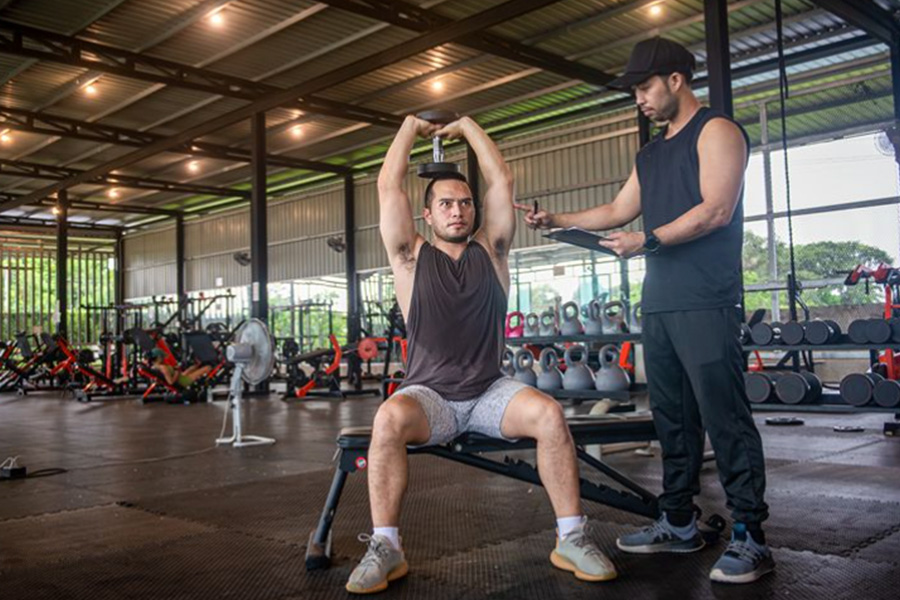
Fitness advice is everywhere, yet many people still struggle to turn good intentions into steady progress. Work schedules shift, motivation dips, and routines become inconsistent. This is often where working with a personal physical trainer starts to feel less like a luxury and more like a practical choice. Rather than following generic plans, some individuals prefer focused guidance through private personal training, where sessions are built around real constraints such as time, energy, and experience.
What is the Role of a Personal Physical Trainer
A personal physical trainer works directly with individuals to plan, deliver, and adjust exercise sessions. Unlike general fitness classes, this role focuses on one person at a time. Sessions often begin with a discussion about lifestyle, current activity levels, and expectations.
In private personal training, the trainer’s role extends beyond counting repetitions. A personal physical trainer observes movement patterns, adjusts exercises, and helps clients understand how their bodies respond to training.
What Private Personal Training Actually Looks Like
Private personal training is often misunderstood as exercising alone with a trainer present. In practice, it is more structured than that. Sessions follow a planned progression, with each workout linked to the next.
A personal physical trainer uses previous sessions to decide when to increase intensity, when to slow down, and when to change direction. Private personal training also tends to include discussions around recovery, rest, and consistency, rather than focusing only on what happens during the session itself.
Who Benefits Most From This Approach
Private personal training suits people with different backgrounds, but it is useful when needs are specific. Beginners may value clear instruction, while experienced individuals often seek refinement or renewed direction.
Those returning to exercise may find that a personal physical trainer helps rebuild confidence. Similarly, people with limited time often choose private personal training because sessions are planned to be efficient.
How Training Is Structured Over Time
One key difference between independent exercise and private personal training is how progress is tracked. A personal physical trainer usually works in phases, focusing on short-term consistency before increasing complexity.
Early sessions in private personal training often prioritise basic movement quality. Over time, sessions may become more demanding as confidence and capacity improve. This gradual approach helps avoid abrupt changes that can disrupt routines or lead to frustration.
The Value of Individual Attention
Group classes offer energy and variety, but they cannot respond to individual needs in the same way. Private personal training allows a personal physical trainer to focus on one person’s movement, pace, and response to exercise.
In private personal training, feedback is immediate and specific. Over time, this helps individuals recognise how exercises should feel, which can improve confidence even outside supervised sessions.
Balancing Guidance With Independence
A common concern is becoming overly dependent on a trainer. Effective private personal training avoids this by encouraging understanding rather than blind following.
A personal physical trainer often explains why certain exercises are chosen and how they contribute to broader goals. This approach supports learning, allowing clients to make informed choices when training independently. Private personal training, when done well, builds capability alongside accountability.
Time, Scheduling, and Consistency
Time constraints are one of the most common reasons people stop exercising. Private personal training addresses this by creating predictable routines.
Sessions with a personal physical trainer are scheduled in advance, reducing the likelihood of missed workouts. Private personal training can be adjusted without abandoning progress entirely.
Cost Considerations and Long-Term Value
Cost is often raised when discussing private personal training. While it requires financial commitment, some people view it as an investment in consistency rather than a short-term expense.
Working with a personal physical trainer can reduce the time spent on ineffective routines. Over the long term, private personal training may help individuals maintain habits that would otherwise fade. The value lies less in individual sessions and more in sustained engagement with exercise.
Managing Expectations and Progress
Private personal training does not guarantee instant results. Progress still depends on effort, rest, and regular attendance. A personal physical trainer helps set realistic expectations, which can prevent discouragement.
Rather than promising rapid change, effective private personal training focuses on steady improvement. This mindset encourages patience and reduces the cycle of starting and stopping that many people experience with fitness routines.
Conclusion
Private personal training offers a focused approach for those who want clarity, consistency, and guided progress. Working with a personal physical trainer can help transform exercise from an occasional activity into a sustainable routine. Rather than replacing personal effort, private personal training supports it by reducing uncertainty and building structure over time.
If your workouts have started to feel inconsistent or unclear, contact Vigeo Health & Fitness today.




Leave a reply
You must be logged in to post a comment.


-
Is It Better To Wax Or Laser Hair Removal?
Among the different hair removal methods, laser hair removal and waxing have ...