

How to Buy Peptides Without Getting Ripped Off (2025 Guide)
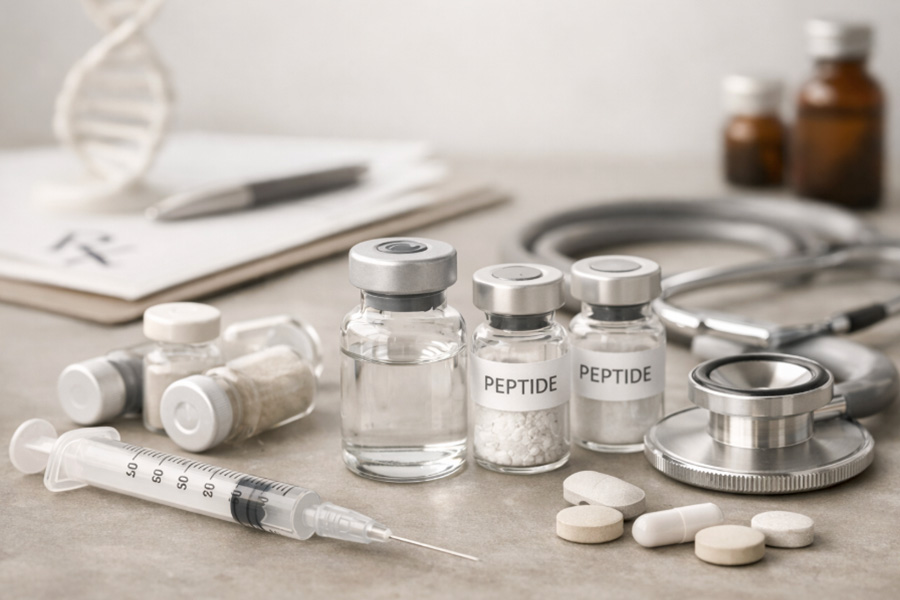
The growing interest in peptides has made many people search for places where they can buy peptides online, but the increasing demand has also brought many unreliable sellers into the market. Many buyers choose a vendor based only on low prices, online comments, or the first website they see, only to discover later that they paid much more than necessary or received products without proper testing information.
The peptide market can be confusing because many vendors look similar at first. A professional website, attractive product photos, and claims like “lab tested” can make a company appear trustworthy. However, the real difference comes from factors such as product quality, transparency, pricing, and independent testing.
Before spending money, buyers should understand how to compare vendors properly. Looking beyond marketing claims can help you make better decisions and avoid paying high prices for products that may not offer the quality you expect.
Why Peptide Prices Can Be Very Different Between Vendors
One of the biggest challenges in the peptide market is comparing prices fairly. Vendors often sell different vial sizes, offer bundles, add shipping costs, or create membership discounts that make it difficult to know the actual value of a product.
A simple way to compare prices is to look at the cost per milligram instead of only checking the price of one vial. A smaller vial may appear cheaper, but the actual cost may be much higher when compared with another seller offering the same amount.
Price differences can be surprisingly large. Some vendors may charge much more for the same type of peptide because of branding, marketing, or added services. However, the lowest price is not always the best choice either. Extremely low prices can sometimes raise questions about product quality, testing, or reliability.
A smart buyer should look for a balance between fair pricing and strong proof that the vendor takes quality seriously.
Why Independent Testing Matters
Many peptide buyers depend only on the information provided by the seller. A vendor may show a Certificate of Analysis (COA) or claim that their products are tested, but buyers should understand that company-provided results do not always give the full picture.
Independent testing is more useful because it provides outside verification. Third-party testing can help confirm whether a product matches the quality and purity claims made by the seller.
Some research communities look at testing records from independent laboratories such as Janoshik Analytical and other testing sources that review peptide samples. Public testing history can help show whether a vendor regularly checks its products or avoids sharing results.
A vendor that is open about testing, shares clear information, and has a history of quality checks usually provides more confidence than a seller with no available proof.
The Most Important Things to Check Before Choosing a Peptide Vendor
Finding a reliable peptide vendor does not have to be complicated. Instead of focusing only on price or popularity, buyers should review a few important areas before making a decision.
1. Look for Quality Testing and Transparency
The first thing to check is whether the vendor provides clear information about product testing. Reliable companies usually make testing details easy to find instead of hiding them.
Look for information about:
- Independent laboratory testing
- Product purity reports
- Clear product descriptions
- Updated testing records
- Honest communication about limitations
A vendor that values transparency usually makes it easier for customers to understand what they are purchasing.
2. Compare Prices Carefully
Price comparison is important, but choosing the cheapest option should not be the only goal. A very low price may look attractive, but buyers should consider whether the vendor provides enough information about quality and testing.
Compare several sellers and check:
- Price per milligram
- Shipping costs
- Available vial sizes
- Testing information
- Customer experiences
This gives a better idea of whether a price is reasonable.
3. Check Availability and Customer Experience
A reliable vendor should have accurate product information and realistic stock updates. Some websites list products that are unavailable for long periods, which can create frustration for buyers.
Customer feedback can also provide useful information. Reviews and community discussions may reveal details about:
- Shipping speed
- Customer support
- Packaging quality
- Overall buying experience
However, reviews should not be the only factor because online opinions can vary.
4. Understand Popular Peptide Comparisons
Certain peptides receive more attention because of ongoing research and public interest.
For example, compounds like semaglutide and tirzepatide are often discussed because of their connection with weight-management research. Retatrutide has also gained attention because of its role in current research studies.
Other commonly discussed peptides include BPC-157 and TB-500, which are often mentioned in recovery-related discussions. Since interest continues to grow, more vendors have started offering these products, making careful evaluation even more important.
A Simple Checklist Before Buying
Before choosing a vendor, ask yourself:
- Does the company provide clear testing information?
- Can I compare the price fairly with other sellers?
- Are there real customer experiences available?
- Does the website provide detailed product information?
- Does the vendor appear transparent?
Taking a few minutes to research can prevent expensive mistakes.
The peptide market continues to grow, but buyers should remember that a professional-looking website does not always guarantee quality. The best approach is to compare prices, check available testing information, and choose vendors that focus on transparency.
Doing proper research helps buyers make more informed choices instead of relying only on advertisements, discounts, or online popularity.




Leave a reply
You must be logged in to post a comment.


-
Is It Better To Wax Or Laser Hair Removal?
Among the different hair removal methods, laser hair removal and waxing have ...