

Laparoscopic Surgery Training – How Will It Benefits Surgeons?
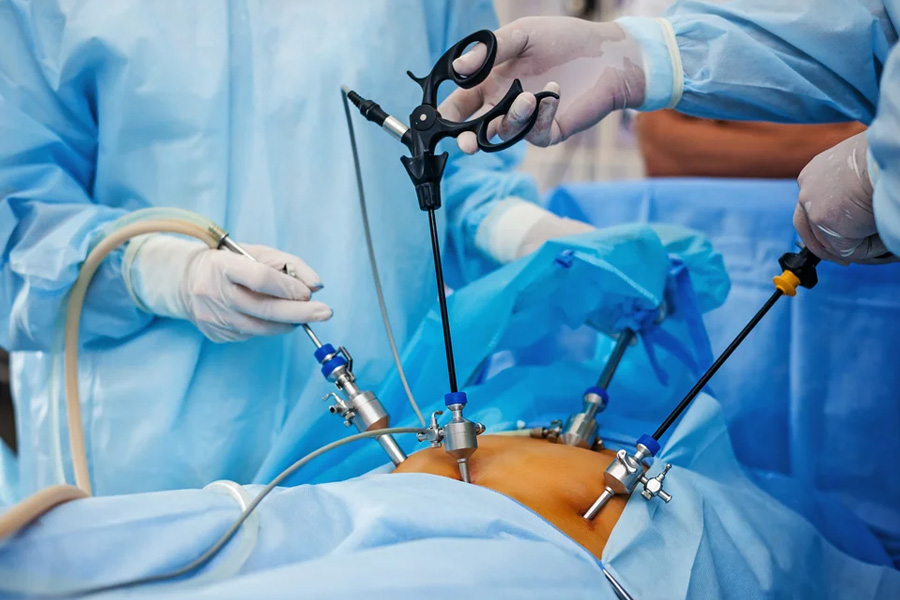
Laparoscopic surgery training is one of the in-demand training sought by a significant number of surgeons today. Training in laparoscopic surgery increases surgeon’s competence, safety, and effectiveness, which directly improves overall outcomes like less pain, quicker recovery time, and significantly fewer complications. Surgeons can become proficient in intricate, minimally invasive procedures by employing simulators for structured training that reduces operating times. Training in laparoscopic surgery is a combination of different things such as virtual simulators and animal models.
Benefits of Comprehensive Laparoscopic Surgery Training
There are many benefits of laparoscopic surgery training. As a matter of fact, it will not only benefit surgeons in advancing their career, but also benefits patients. At the end of the day, the goal of the training is to equip surgeons with not only knowledge, but most importantly the skills necessary to perform laparoscopic surgeries seamlessly.
The training will greatly enhance surgeon’s skills –
Training enhances the necessary skills needed to perform the surgery successfully such as hand-eye coordination, boosts technical skill, and helps depth perception.
Improved the outcome of surgery –
Laparoscopic surgeries aim to lessen the complications caused by open surgeries. With proper training, surgeons can provide patients with the best outcome – faster healing time, shorter hospital stay, and reduced postop pain.
Surgery complications are reduced to a greater extent –
By offering a controlled setting for technique mastery prior to patient care, specialized training reduces errors in all aspects and phases of surgery.
Increased surgeon and patient’s confidence –
With regular and in-depth training, surgeons will gain the confidence in performing laparoscopic procedures even when it comes to complex cases.
Reduced cost –
As the surgeon masters the knowledge and techniques necessary in performing laparoscopic surgery, complications during surgery will be reduced to a greater extent, which will lead to a shorter hospital stay. This will all lead to reduced medical cost.
It is impossible to overestimate the significance of immersive, practical training in attaining surgical excellence. By bridging the theoretical gap with practical application, it equips surgeons to manage difficult patients more competently and safely. Investing in high-quality practical training programs is crucial for individuals who are dedicated to improving their laparoscopic abilities.



Leave a reply
You must be logged in to post a comment.


-
Is It Better To Wax Or Laser Hair Removal?
Among the different hair removal methods, laser hair removal and waxing have ...