

Signs You’re Ready for a Titanium Face Lift—And When to Avoid It
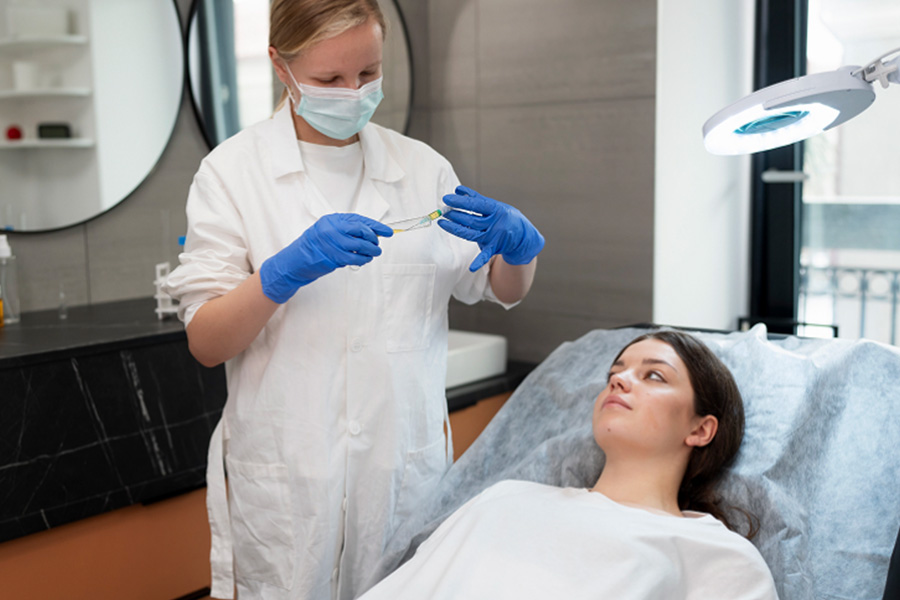
A titanium facelift has become an option for individuals seeking structural facial support without the downtime associated with more invasive procedures. While interest in this treatment continues to grow, not everyone is an ideal candidate. Knowing the signs indicating readiness—and the situations that suggest waiting—is essential before visiting an aesthetic clinic in the city-state for consultation.
Learn the practical considerations that help clients determine whether this treatment aligns with their needs.
Signs You May Be Ready for a Titanium Facelift
Individuals who experience early to moderate signs of facial sagging are often suitable candidates. Once the skin begins to lose its firmness around the mid-face, jawline, or under the chin, structural reinforcement can be useful. A titanium facelift offers support for those who notice changes that are not severe enough for surgery but are too advanced for topical treatments or basic lifting procedures. The treatment may provide the additional stability you are seeking if you find yourself at this stage.
Another clear indicator is the desire for longer-lasting improvements. Many clients explore multiple energy-based or injectable procedures but feel that the results fade faster than expected. A titanium facelift may suit individuals who want something with longevity but who are not prepared for the downtime, discomfort, or commitment of surgical lifting. This demographic includes working professionals or parents who prefer outcomes that remain stable with minimal maintenance.
A stable general health condition is also a sign of readiness. This procedure is not a minor aesthetic treatment, and candidates must be free from uncontrolled medical issues that might interfere with healing. Clients who maintain healthy routines, do not smoke excessively, and can follow post-treatment instructions are typically more prepared for the demands of recovery. An aesthetic clinic will always evaluate these health factors during consultation to determine suitability.
Realistic expectations form another important indicator. The titanium facelift can enhance contour and firmness, but it cannot replicate surgical outcomes. Clients who understand these limitations and are seeking refinement rather than dramatic transformation usually report better satisfaction. Being open to gradual improvement and natural shifts in facial structure is essential for achieving a predictable result.
Signs You Should Avoid or Delay the Treatment
Active skin conditions should immediately signal the need to postpone the procedure. Individuals experiencing infections, rashes, inflamed acne, or dermatitis in treatment areas must allow the skin to stabilise first. These conditions increase the risk of complications and can affect how well the titanium component integrates with surrounding tissue. An aesthetic clinic in Singapore will normally advise waiting until the skin barrier is healthy enough for intervention.
Clients with unrealistic expectations should also reconsider. This treatment may not meet your goals if you expect a titanium facelift to dramatically alter facial proportions, erase deep structural sagging, or deliver surgical-level lifting. Unrealistic hopes often lead to dissatisfaction, making it better to explore other options or wait until your objectives align with what the treatment can reasonably deliver.
Another reason to delay is unstable health. Individuals with bleeding disorders, uncontrolled diabetes, or systemic issues affecting their body’s healing abilities should not undergo this procedure. Even lifestyle habits such as smoking or excessive alcohol intake can compromise recovery and affect the outcome. Delaying treatment allows the individual to stabilise their health or modify habits before committing.
Clients who are currently pregnant or breastfeeding should also avoid the treatment, as most aesthetic clinics require postponement due to safety considerations. Additionally, if you anticipate major life events, travel, or work obligations that limit recovery time, scheduling the procedure too soon may become counterproductive.
Conclusion
A titanium facelift can be appropriate for individuals who show early signs of facial sagging, want longer-lasting results, and have realistic expectations about what the treatment can achieve. However, factors such as active skin conditions, unrealistic expectations, or unstable health may require postponing the procedure. A consultation at an aesthetic clinic ensures that your goals and health status align with the demands of the treatment. Taking the time to assess readiness allows for safer outcomes and better long-term satisfaction.
Contact Dr Shirley Kwee for an honest assessment of what your face truly requires.




Leave a reply
You must be logged in to post a comment.


-
Is It Better To Wax Or Laser Hair Removal?
Among the different hair removal methods, laser hair removal and waxing have ...